<p>
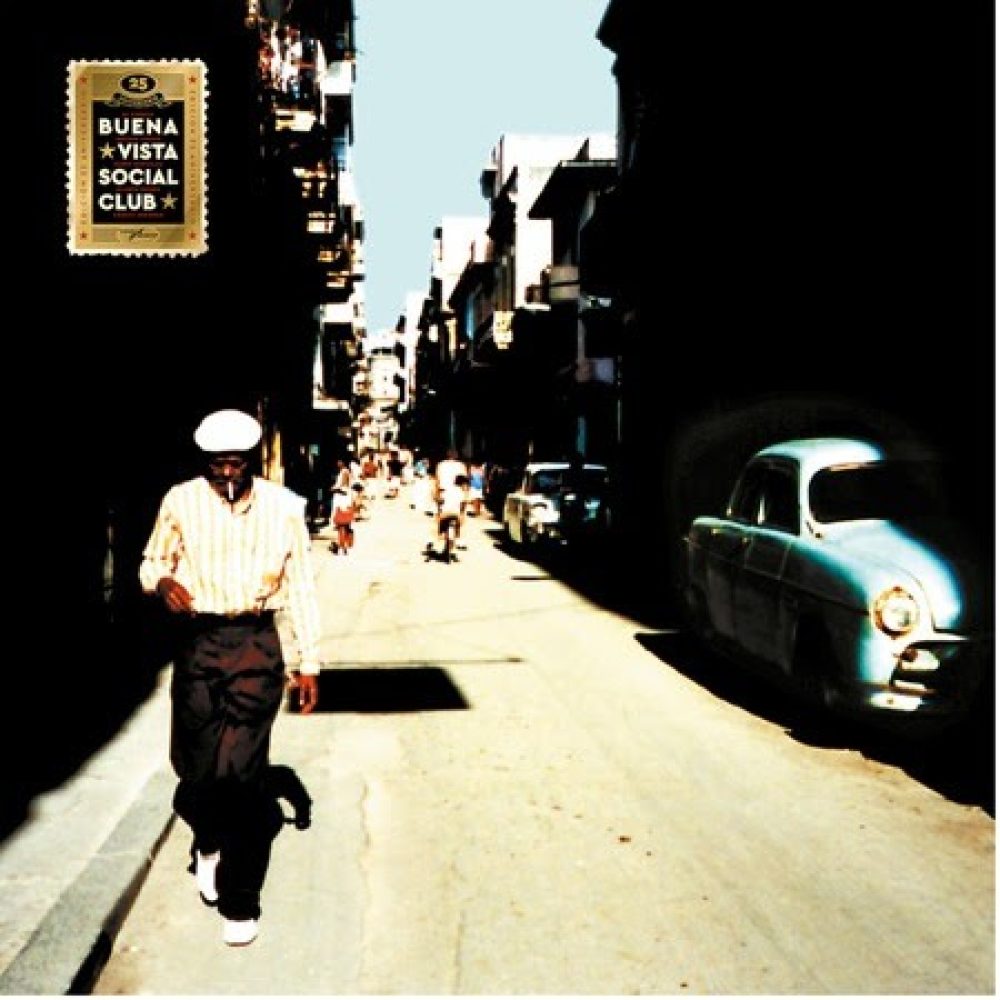
What more can you say about the Buena Vista Social Club? The 1997
album of classic Cuban tunes performed by an ace lineup of aging
musicians who by then had largely retired has been lauded with
Grammys, sold millions of copies internationally, and spawned a
Wu-Tang-Clan-esque cottage industry of solo releases for the players and a Wim Wenders documentary.
As band leader Juan de Marcos González put it, “<em>Buena Vista
Social Club </em>has probably been the most important album of Cuban
music in the late 20<sup>th</sup> century, and definitely the one
that reopened the doors of international recognition for <em>son
Cubano</em>. Twenty-five years later I can still feel the positive vibes of the
studio and, of course, the pleasure of having contributed to some
extent to the album that rescued the music of my country and many of
its great interpreters from the shadows.”</p>
<p>
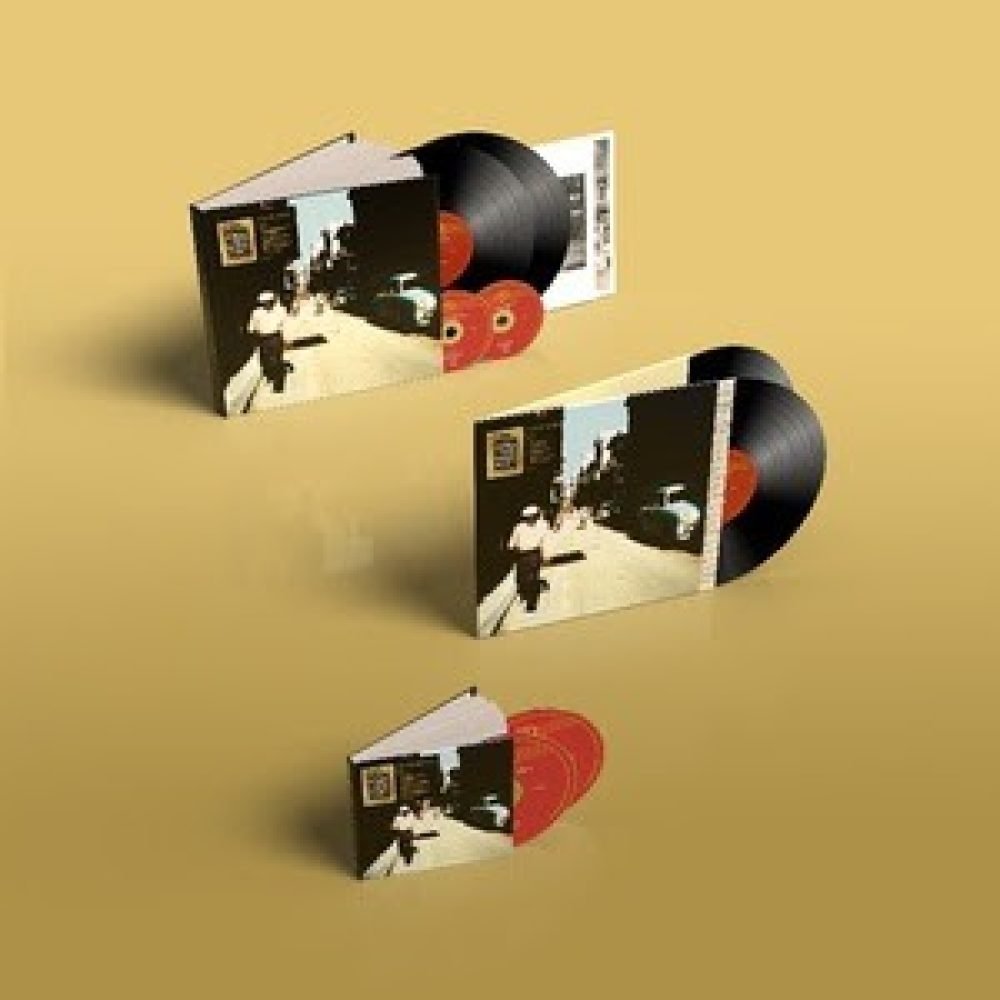
To celebrate the 25<sup>th</sup> anniversary of the recording of the
album, <a href="https://worldcircuit.lnk.to/BVSCElCuarto" target="_blank">our friends at World Circuit reissued the album in a luscious
two-LP, 20-page-of-liner-notes, two-more-CDs-if-you-please format</a>.
You don’t need us to tell you that it sounds great, but to be
clear, it sounds <em>great</em>. The unheard tracks are great, the unused takes are illuminating.</p>
<p>
</p>
<p>This is more of an
excuse to state the obvious than a full review, but after spending
some extra time with the album, I came up with 10 things to love about this album at 25.<br>
</p>
<p><strong>1.</strong> <strong>The room where it
was recorded at Havana’s EGREM Studios</strong>. Wood-paneled and built in
the ‘40s to record big bands, with this album, it feels like the
former Panart studio takes its place alongside Sun Studios and Abbey
Road in the Hall of Fame of Legendary Rooms. There’s audible <em>space
</em>on this record and an interplay
of musicians that one only gets when they’re performing together.
Did we mention that the album
sounds great? It’s just got so much depth.</p>
<figure><iframe loading="lazy" src="//www.youtube.com/embed/CYxv6N_gUhE" allowfullscreen="" width="500" height="281" frameborder="0"></iframe></figure>
<p><strong>
2. The album’s lesson about being
flexible</strong>. It’s crazy that
an album this successful came about by accident, but originally this
album was supposed to feature a lineup of Malian musicians playing with the Cubans, but when
it came time to head to the studio,
there was a problem with their visas and
the Africans couldn’t make it to Cuba.
The concept now totally ruined, Ry Cooder just said “It doesn’t
matter. Let’s try something with the Cuban musicians.” When
life gives you lemons, make a Grammy Award-winning album, as the saying
goes. Also, eventually they made that Malian-Cuban album—<em>Afrocubism</em>—and it's also great. </p>
<p><strong>3.
The timing of
the recordings</strong>. Six of these
musicians have since passed away, but we have a late-life document of
their seasoned skills and
they had a chance for millions of people to hear and appreciate their
artistry. Better late than <em>too</em>
late.</p>
<figure><iframe loading="lazy" src="//www.youtube.com/embed/QvxdhNz-9p4" allowfullscreen="" width="500" height="281" frameborder="0"></iframe></figure>
<p><strong>
4. Twenty
pages of liner notes</strong>. Room enough for pictures and track-by-track
breakdowns of genre, the song’s background and the personnel.
Streaming could never...</p>
<p><strong>
5. The paragraphs in aforementioned
liner notes that explain how each player arrived that first day</strong>.
Ibrahim Ferrer walking in, looking skeptical and jaws dropping as he
starts to sing.</p>
<figure><iframe loading="lazy" src="//www.youtube.com/embed/jNMJKAxEDFs" allowfullscreen="" width="500" height="281" frameborder="0"></iframe></figure>
<p><strong>
6. Really just the way Ibrahim
Ferrer sings</strong>. His improvisations on “El Cuarto de Tula,” his
doleful, murmured vocals on “Murmullo.” People don’t sing like
this any more, but Ferrer makes you wonder why not.</p>
<p><strong>7.
Pianist
Rubén Gonzalés’
playing on “Pueblo Nuevo” which starts in a slow, swaying <em>danzon</em>
and flirts with other genres so sweetly</strong>. When that mambo bass line
emerges from his left hand its like witnessing Poseidon rising from
the ocean. The alternate take
is enough to make you cry. He
apparently hadn’t played in years, but Gonzalés was the first to
the studio every day, waiting for the doors to be unlocked so he
could get in and head to the piano.</p>
<p><strong>8.
The <em>udo</em> drum, especially on,
“Chan Chan,”
the album’s first
song</strong>. This was always going
to be an album of Afro-Cuban music, but anchoring the album with this
Igbo instrument, played here by Joachim Cooder, leaves no doubt. I
don’t know why it sounds so much better on vinyl but it does.</p>
<figure><iframe loading="lazy" src="//www.youtube.com/embed/tGbRZ73NvlY" allowfullscreen="" width="500" height="281" frameborder="0"></iframe></figure>
<p><strong>
9. “Orgullecida,”
which is such
a weird song</strong>. Written by
Eliseo Silveira, it’s sort of ragtime, but Ry Cooder’s slide
guitar gives the whole thing a country
swing feel.
But why not? This album
somehow demonstrates genres even as it slyly undermines the idea that
this music can be contained in them.</p>
<p><strong>10.
The sweet gratitude that everyone involved expresses</strong>. From World
Circuit’s Nick Gold to Juan de Marcos González to Ry Cooder, to
any of the players, everyone who was there seems aware that those six
days of recording were a special time, bordering on the holy.
</p>