<p>
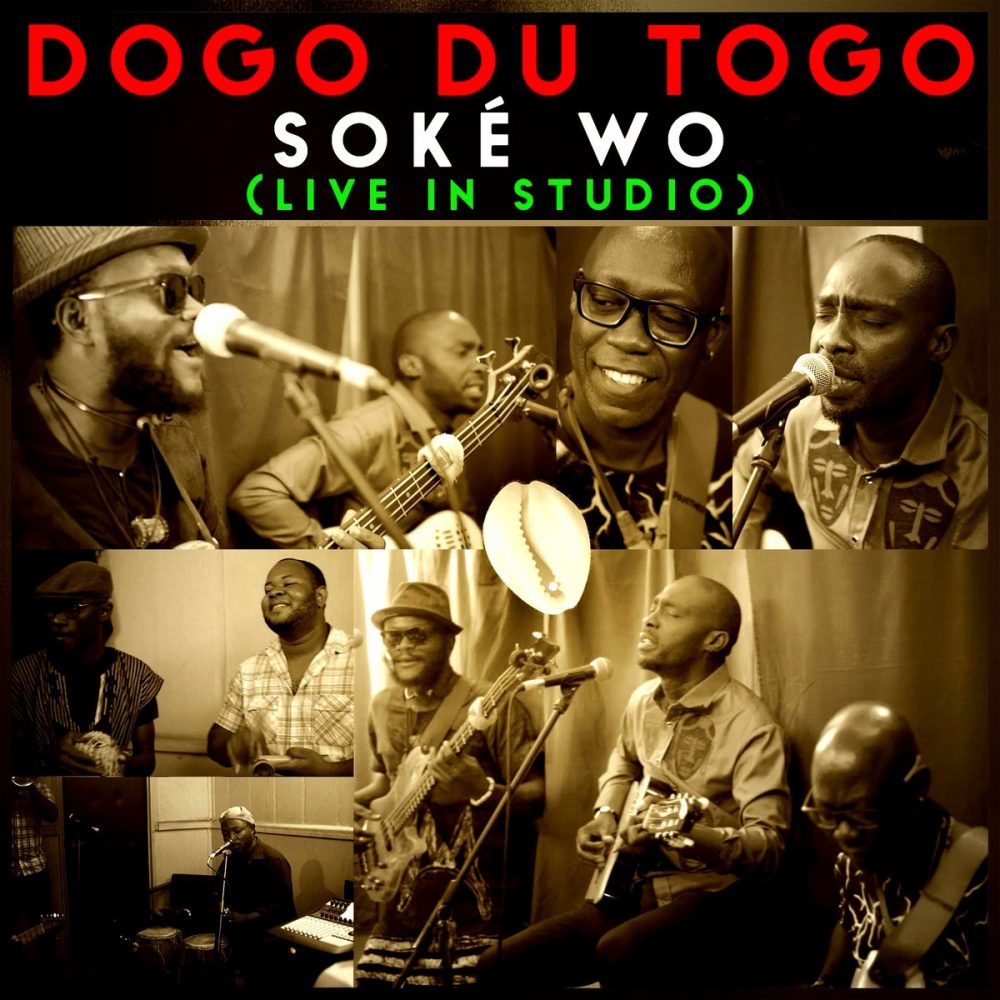
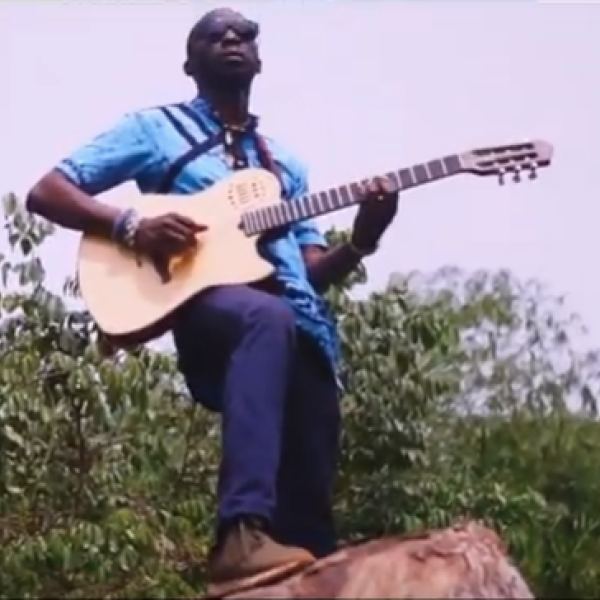
It’s no secret we’re suckers for a good song and dance, and Lome,
Togo’s own Dogo just recorded a great song and video to accompany
it.
<br>
</p>
<p>Check out this song
about forgiveness, “Soké Wo,” right here.
<br>
</p>
<figure><iframe loading="lazy" src="//www.youtube.com/embed/H1j_sJfocSs" allowfullscreen="" width="500" height="281" frameborder="0"></iframe></figure>
<p><br>Dogo is known for
dabbling with traditional rhythms, although the story of this rhythm
involves riding the wings of a pop musical form in the 20<sup>th</sup>
century.<br>
</p>
<p>According to Dogo,
“this acoustic song is based on the Akpesse-Bobobo rhythm played by Ewe
people in the Region des Plateaux in Togo. The Bobobo was developed
by Francis Kojo Nuatro. He is thought to have been an ex-police
officer who organized a dance group in the middle to late 1940s.”<br>
</p>
<p>The dance has its
roots from Wusuta and in the highlife popular music across West
African countries. Bobobo gained national recognition in the 1950s
and 1960s because of its use at political rallies and the novelty of
its dance formations and movements. It is generally performed at
social occasions. This is a social dance with a great deal of room
for free expression so it became popular quickly. In general, the men
sing and dance in the center while the women dance in a ring around
them. There are "slow" and "fast" versions of Bobobo. The slow one is
called Akpesse and the fast one is termed to be Bobobo.</p>
<p>
The song, recorded
in Dogo’s studio with his guys,<a href="https://dogodutogo.bandcamp.com/releases" target="_blank"> is available for download via
Bandcamp</a>.
</p>