Review April 13, 2026
Enchufada at 20: A Lisbon Club Story as Quilt, Mosaic and Movement
<p><em>At 20 years, Enchufada, an independent record label from Lisbon</em>,<em> reflects a city shaped by African diasporic sound, where club music becomes a living archive of migration, memory and global circulation. The album drops on April 24, 2026.</em></p>
<p><em>More on Enchufada records <a href="https://www.instagram.com/explore/search/keyword/?q=enchufada%20records">here</a>.<br></em></p>
<p>Lisbon sounds like a quilt. It is not seamless and it is not uniform, but stitched together from fragments of elsewhere. Rhythms carried across oceans, melodies shaped by migration, and basslines built in neighborhoods on the city’s edges come together in layered formation.</p>
<p>A quilt only makes sense because someone decides it should. That act of assembly is where Enchufada enters the story, framing a sound shaped by decades of African diasporic presence.</p>
<p>Behind the label’s 20-track retrospective album, <em>A Lisbon Club Story,</em> is a quieter kind of authorship rooted in listening. It takes patience to find musicians with a good ear and to balance what has been with what is needed now. Twenty years has afforded the label the space to reflect not only on the genres they have helped reveal, but on how those sounds have moved and reshaped dancefloors around the world.</p>
<p><strong>The Fabric: Histories Carried in Sound</strong></p>
<p>Lisbon’s club culture cannot be separated from its migration history, and that history is inseparable from empire. The routes that brought African rhythms into the city were shaped by centuries of extraction, forced movement, and resistance across coastal Africa. Vasco da Gama could not have imagined that his voyages would help inaugurate systems of trade that included human lives as cargo. The afterlives of that history are still audible.</p>
<p>From the late 1960s onward, Angolan and Cape Verdean communities brought with them rhythmic systems that would quietly reshape Lisbon’s sonic identity.<br></p>
 <p><strong>The Stitching: From Buraka to the World</strong><br></p>
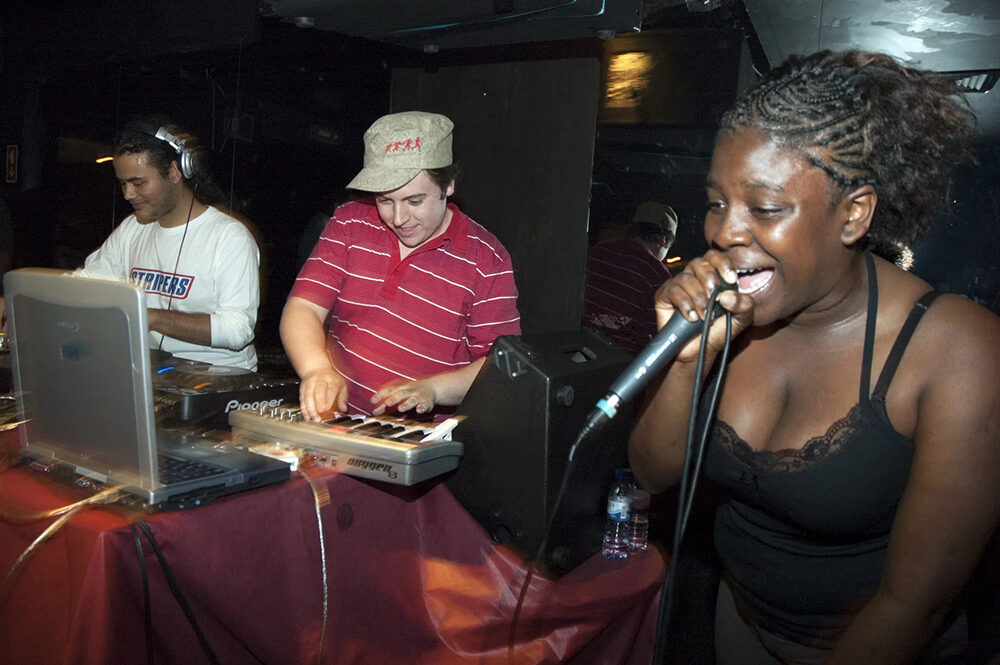
<p>With perhaps the label’s signature group, Buraka Som Sistema, <em>kuduro</em> became something else. What began as Angolan street dancing, rife with rhythmic intensity, collided with global club forms on Lisbon dance floors, and soon, dancefloors around the globe. After a 10-year hiatus, the band is back on tour in 2026.</p>
<figure><iframe loading="lazy" width="500" height="281" src="//www.youtube.com/embed/ZC750XalovU" frameborder="0" allowfullscreen=""></iframe></figure><br><p><strong></strong><strong>The Pattern Emerges: Batida and the Club</strong></p>
<p>Batida has roots in traditional Brazilian rhythms, but has since emerged as a defining electronic dance music sound, with upbeat rhythms referencing samba, funk and hip-hop. Enchufada artist DJ Marfox and Dotorado Pro championed the sound, further pushing Lisbon into the global spotlight.</p>
<p><strong>The Sound Itself: Listening Through the Quilt</strong></p>
<p>The 20 tracks on A Lisbon Club Story unfold the sounds of an urban Lusophone movement.</p>
<p>“Passengers” by Bison & Squareffekt opens with uplifting choral progressions that give way to dub bass and trance-like synth layers, drifting into a spiritual tonal space.</p>
<p>“Rainha” by Tusabe carries a laid back but insistent pulse shaped by South African house and soca undercurrents.</p>
<p>Buraka Som Sistema’s “Puro Mambo” is nostalgic with an ironic twist. The body remembers.</p>
<p>“Nsákidilla” from Joss Dee is raw and direct, grounded in street energy.</p>
<p>Shaka Lion’s “Depois do Eclipse” is moody and hypnotic.</p>
<p>“Moh Bechona” from Vanyfox turns everyday sounds into rhythm.</p>
<p>Traz Aguas “G130” bends time with flutes and vocal textures.</p>
<p>BLOQO’s “Outfit (Shake It)” turns repetition into ritual.</p>
<p>Buraka Som Sistema captures Lisbon street energy with “Yah,” and deepens repetition with “Zouk Flute.”</p>
<p>Roulet’s “Kitamanda” reshapes found sounds.</p>
<p>“Urban AND” from DJ Marfox pushes acoustic into digital.</p>
<p>DJEFF’s “Kissange” is built for the body.</p>
<p>“Água de Coco” from DJ N.K merges traditions.</p>
<p>Dotorado Pro’s “African Scream Marimbas” layers complexity.</p>
<p>Branko’s “Eventually (feat. Alex Rita & Bison)” reflects coastline memory, and with Pedro da Lima, “MPTS” balances global familiarity.</p>
<p>“Badman” from Dengue Dengue Dengue channels dub lineage.</p>
<p>Pedro da Linha’s “Toques” travels across sonic geographies.</p>
<p><br></p>
<p><strong>The Stitching: From Buraka to the World</strong><br></p>
<p>With perhaps the label’s signature group, Buraka Som Sistema, <em>kuduro</em> became something else. What began as Angolan street dancing, rife with rhythmic intensity, collided with global club forms on Lisbon dance floors, and soon, dancefloors around the globe. After a 10-year hiatus, the band is back on tour in 2026.</p>
<figure><iframe loading="lazy" width="500" height="281" src="//www.youtube.com/embed/ZC750XalovU" frameborder="0" allowfullscreen=""></iframe></figure><br><p><strong></strong><strong>The Pattern Emerges: Batida and the Club</strong></p>
<p>Batida has roots in traditional Brazilian rhythms, but has since emerged as a defining electronic dance music sound, with upbeat rhythms referencing samba, funk and hip-hop. Enchufada artist DJ Marfox and Dotorado Pro championed the sound, further pushing Lisbon into the global spotlight.</p>
<p><strong>The Sound Itself: Listening Through the Quilt</strong></p>
<p>The 20 tracks on A Lisbon Club Story unfold the sounds of an urban Lusophone movement.</p>
<p>“Passengers” by Bison & Squareffekt opens with uplifting choral progressions that give way to dub bass and trance-like synth layers, drifting into a spiritual tonal space.</p>
<p>“Rainha” by Tusabe carries a laid back but insistent pulse shaped by South African house and soca undercurrents.</p>
<p>Buraka Som Sistema’s “Puro Mambo” is nostalgic with an ironic twist. The body remembers.</p>
<p>“Nsákidilla” from Joss Dee is raw and direct, grounded in street energy.</p>
<p>Shaka Lion’s “Depois do Eclipse” is moody and hypnotic.</p>
<p>“Moh Bechona” from Vanyfox turns everyday sounds into rhythm.</p>
<p>Traz Aguas “G130” bends time with flutes and vocal textures.</p>
<p>BLOQO’s “Outfit (Shake It)” turns repetition into ritual.</p>
<p>Buraka Som Sistema captures Lisbon street energy with “Yah,” and deepens repetition with “Zouk Flute.”</p>
<p>Roulet’s “Kitamanda” reshapes found sounds.</p>
<p>“Urban AND” from DJ Marfox pushes acoustic into digital.</p>
<p>DJEFF’s “Kissange” is built for the body.</p>
<p>“Água de Coco” from DJ N.K merges traditions.</p>
<p>Dotorado Pro’s “African Scream Marimbas” layers complexity.</p>
<p>Branko’s “Eventually (feat. Alex Rita & Bison)” reflects coastline memory, and with Pedro da Lima, “MPTS” balances global familiarity.</p>
<p>“Badman” from Dengue Dengue Dengue channels dub lineage.</p>
<p>Pedro da Linha’s “Toques” travels across sonic geographies.</p>
<p><br></p>
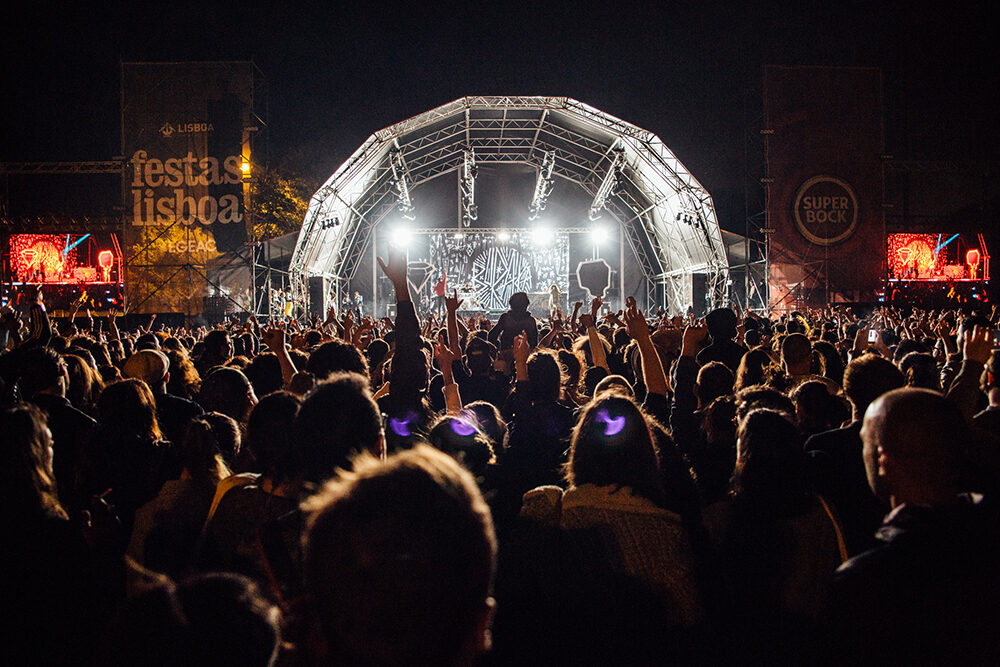 <p>On this compilation, Lisbon becomes a node where diasporic histories meet and travel. The squares of the city’s club scene quilt shape-shift into something larger and more complex, a wordly mosaic of regeneration. The pattern holds, but does not stand still. It continues to grow and regenerate.</p>
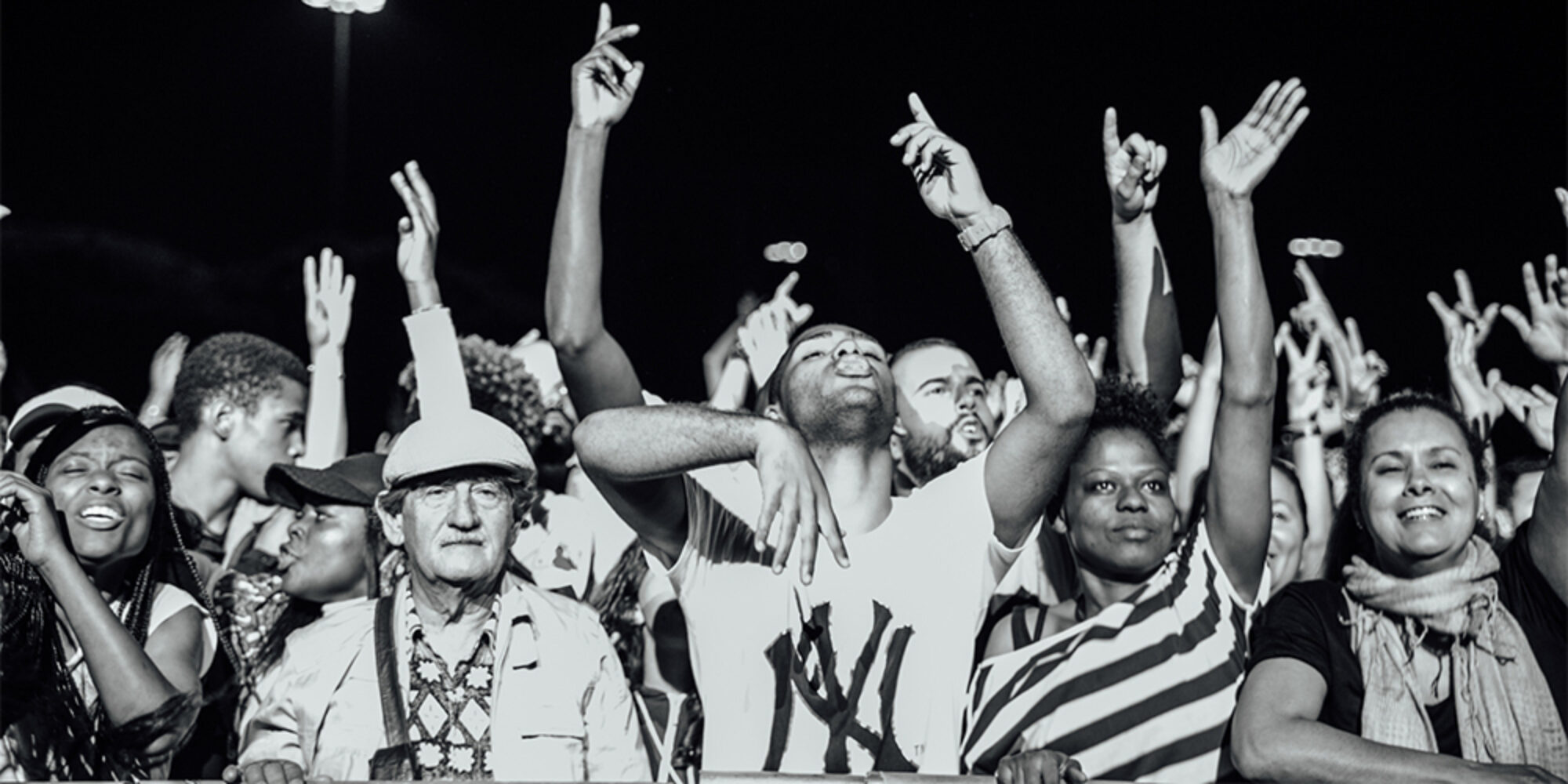
Buraka Som Sistema at Club Mercado

Related Audio Programs

Hip Deep May 15, 2025
Afro-Lisbon and the Lusophone Atlantic: Dancing Toward the Future
On this Hip Deep edition, we take you on a journey to Lisbon, a city facing both the sea and 600 years of its own history.
Hip Deep November 9, 2017
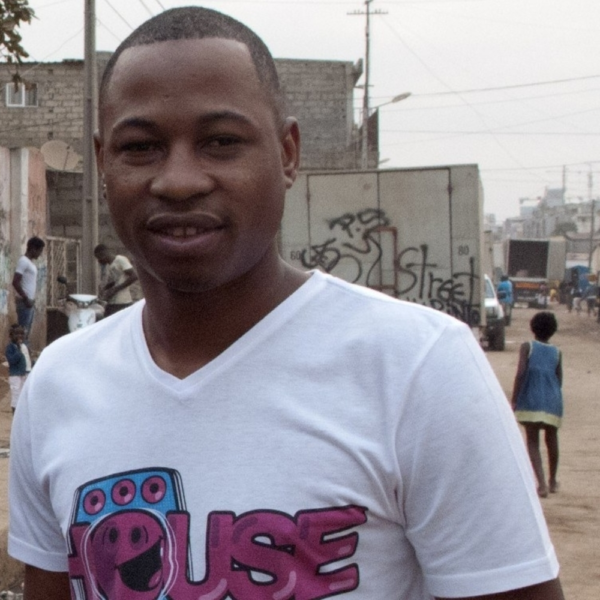
Hip Deep Angola 2: Kuduro and Beyond
In this Hip Deep program, join producer Ned Sublette on the streets of Angola’s big, smoggy, oil-booming capital city of Luanda. Peace came to Angola in 2002 after forty-two years of war, and now everything is different, with construction under way everywhere.