Feature May 4, 2026
KwaMasi: A Zimbabwean Homestead Becoming a Living Cultural Centre
<p>In the quiet gray, semi-sandy soil lands of Kutama, in Zimbabwe, memory still lives in the wind. It lives in the footsteps worn into the earth by generations. It lives in the cooking fires that once gathered families together at dusk. It lives in the rhythms of hand-clapping, the rise of song, the call-and-response of women working the land, and the fading pulse of drums that once marked ceremony, harvest, grief, joy, and belonging.</p>
<p>Across much of Zimbabwe, these sounds are fading.</p>
<p>As rural communities face economic hardship, migration, climate pressures, and changing lifestyles, many ancestral homes stand empty. Sacred knowledge once passed from elder to child through song, storytelling, and daily life is increasingly at risk of being lost. Urban life often leaves little room for these roots, with many children growing up disconnected from how their people once lived and the traditions that shaped them.</p>
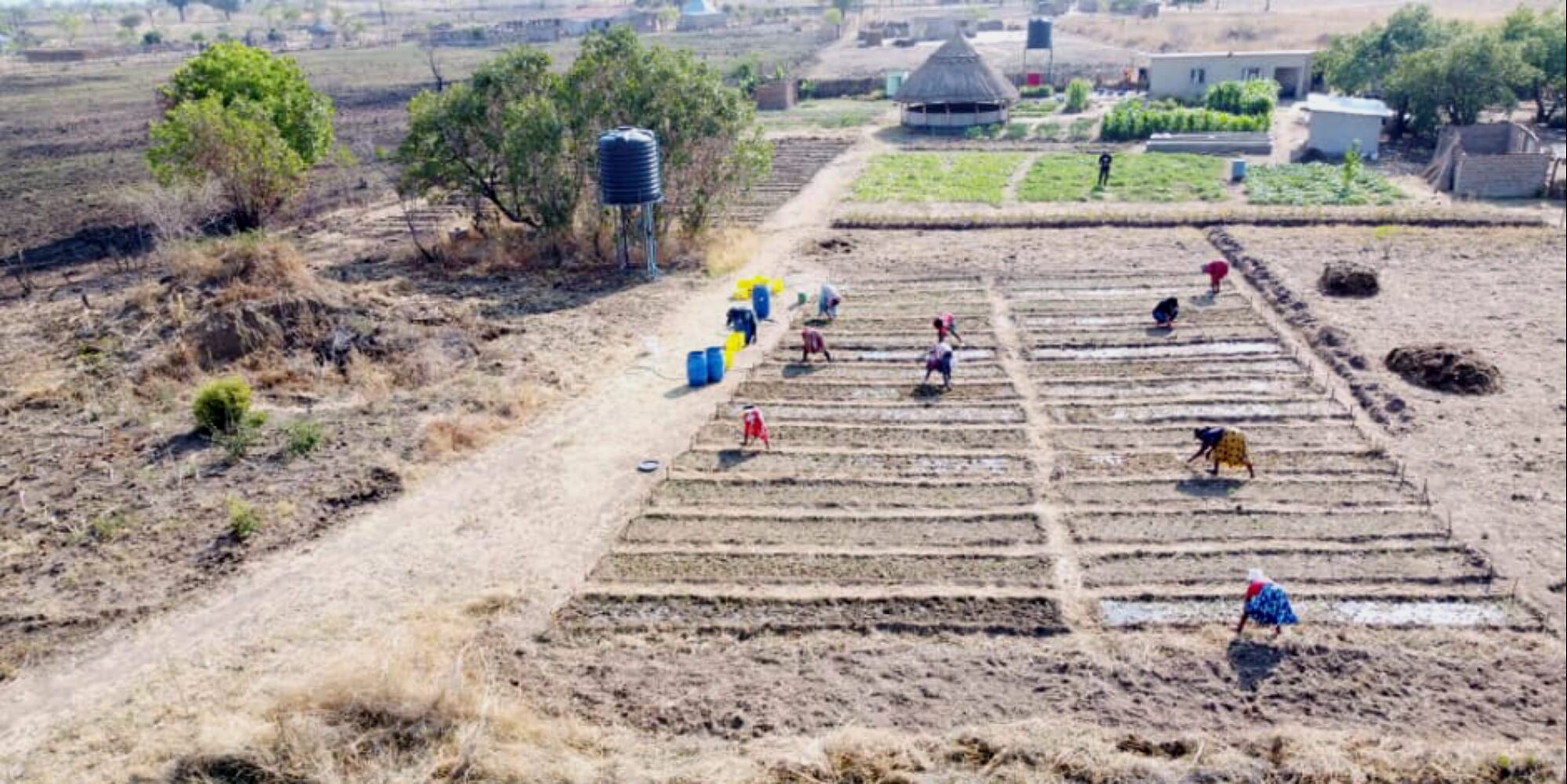
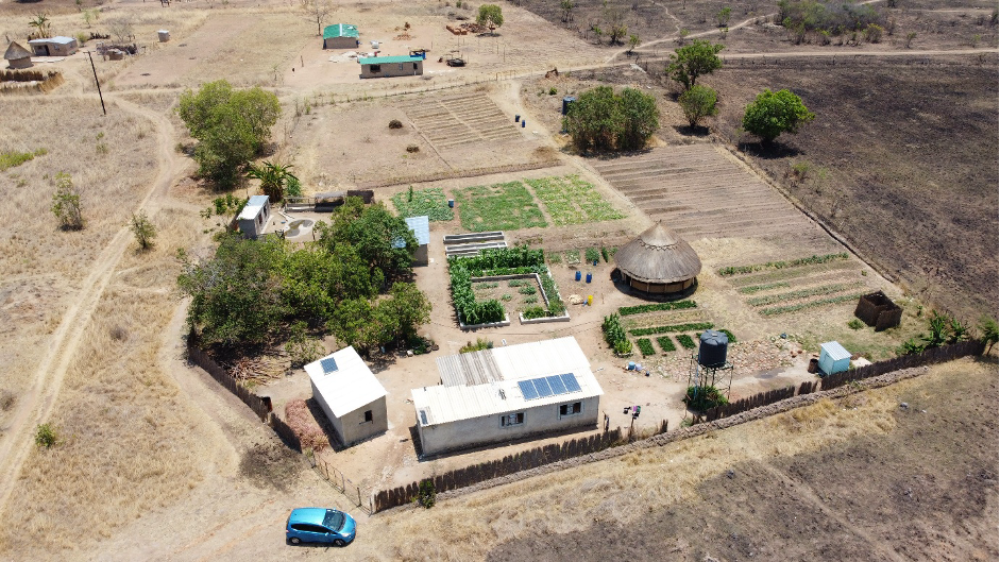
<p>KwaMasi Cultural Heritage Centre was born from a desire to interrupt that loss. Located at a family homestead in Kutama, KwaMasi is a grassroots effort to transform rural land into a living cultural space—part heritage centre, part eco-camp, part community learning hub, part regenerative farm. It is a place being built not only with bricks and tools, but with memory, purpose, and imagination.</p>
<p>At its heart are simple questions:</p>
<p><em>What if the village could become a classroom again?</em><br><em>What if culture could become livelihood again?</em><br><em>What if heritage could become the seed of the future?</em></p>
<p>KwaMasi is being developed as a space where visitors, youth, artists and community members can gather to learn from rural Zimbabwean traditions that still carry wisdom for modern life. Plans include music-centred cultural gatherings, traditional cooking and food heritage experiences, storytelling circles with elders, indigenous farming knowledge, women-led enterprise development, cultural tourism experiences rooted in dignity and authenticity, and creative spaces for poetry, dance, and artistic expression. Rather than preserving culture behind glass, KwaMasi aims to keep it alive through participation.</p>
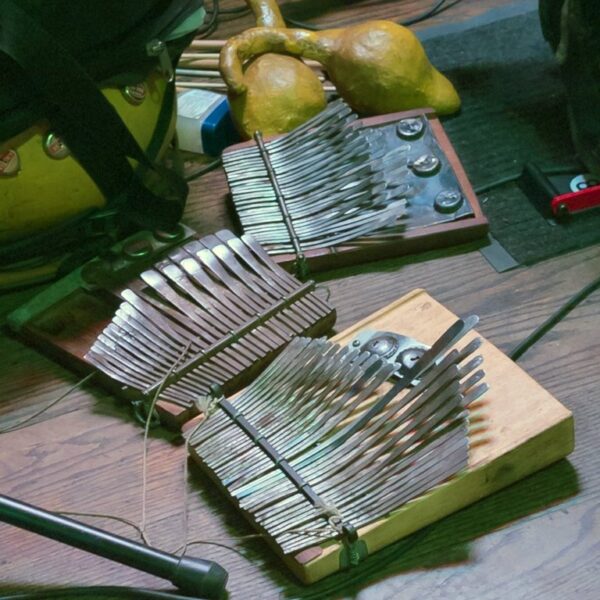
 <p>Zimbabwe is globally known for the mbira, one of Africa’s most spiritually resonant instruments. But beyond formal performance, music in village life has long existed everywhere—in the fields, in work songs, in prayer, in mourning, in celebration, in the laughter of children and in the coded wisdom of proverbs sung aloud. </p>
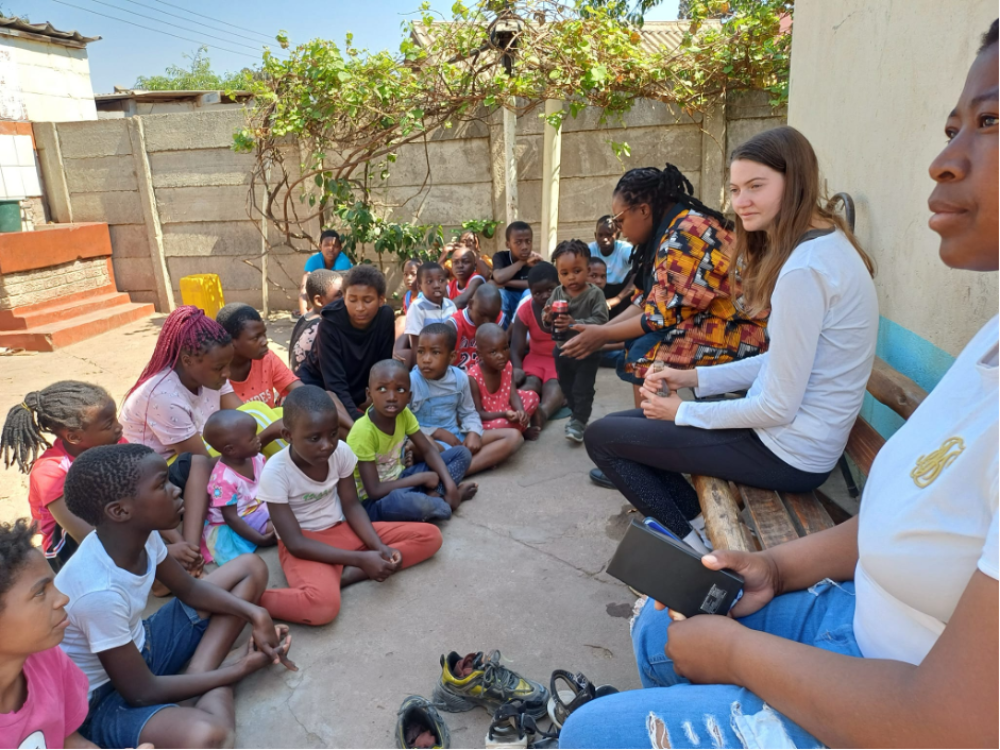
<p>For generations, rhythm has helped communities carry burdens and mark joy. Women sang while grinding grain. Families sang at weddings. Communities gathered around drum patterns that called people together. Elders passed values through chant, repetition, and story. KwaMasi hopes to create space for these traditions to be remembered, documented, shared, and reimagined with younger generations.</p>
<p>Many young Zimbabweans are growing up disconnected from rural roots, indigenous knowledge systems, and the cultural confidence that comes from knowing where one comes from. At the same time, villages are often spoken about only through the language of poverty or lack. KwaMasi offers another story: the village is not empty, the village is not backward, and the village is not finished. It holds architecture, ecological intelligence, music, healing practices, food systems, spirituality, language and forms of community many modern societies are trying to rediscover.</p>
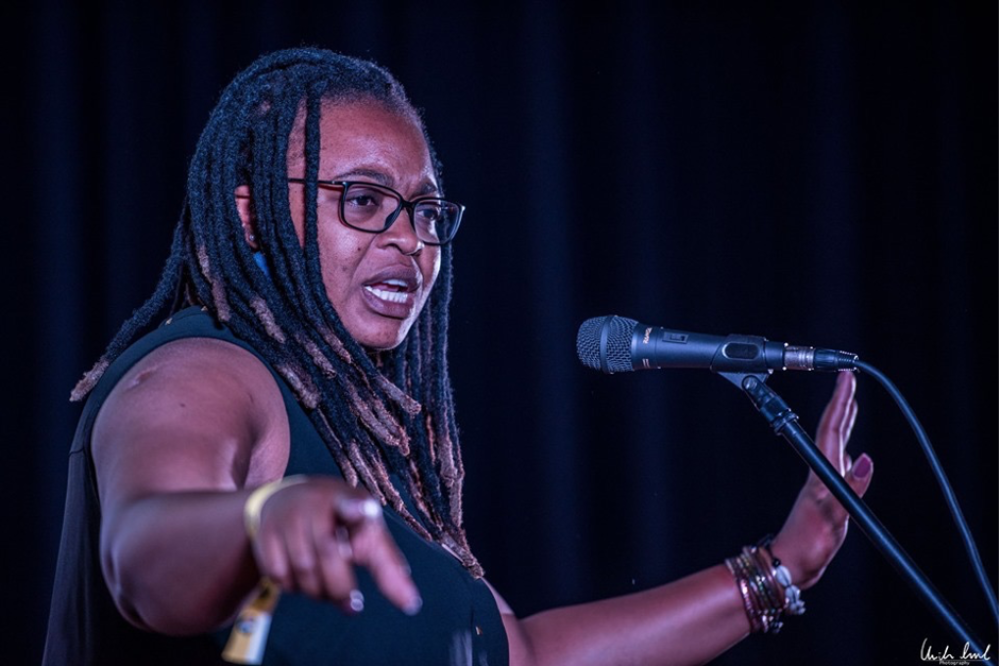
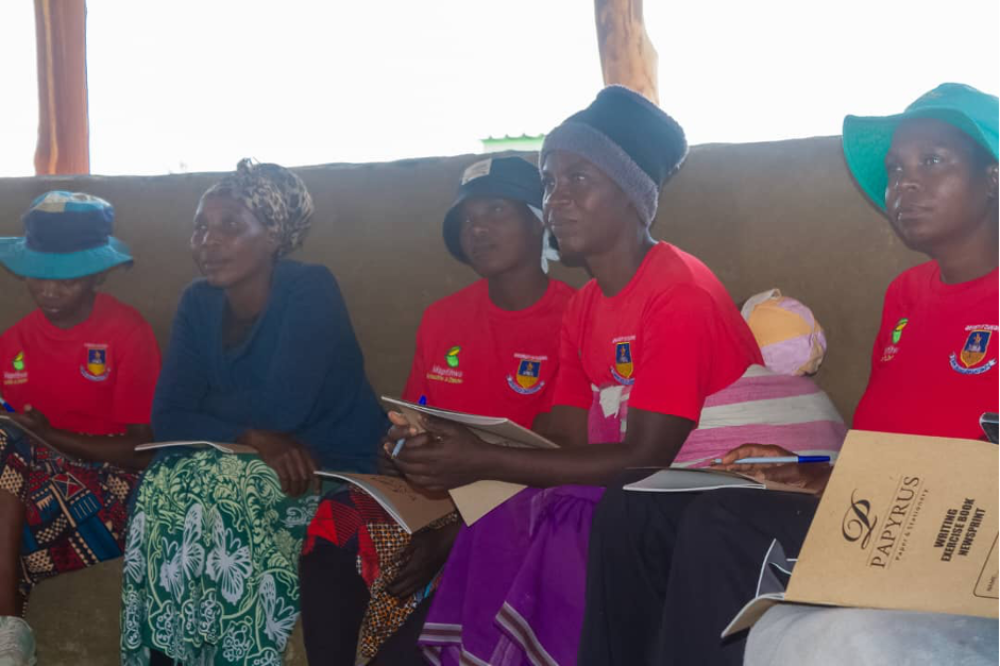
<p>KwaMasi is founded by Linda Gabriel, a Zimbabwean poet and social entrepreneur committed to linking heritage preservation with practical community renewal. Her vision is not nostalgia, but regeneration: to create jobs for rural women, host visitors who value culture, teach sustainable agriculture, inspire youth entrepreneurship, honour elders while empowering the next generation, and show that African heritage spaces can be economically viable, beautiful and globally relevant.</p>
<p>Zimbabwe is globally known for the mbira, one of Africa’s most spiritually resonant instruments. But beyond formal performance, music in village life has long existed everywhere—in the fields, in work songs, in prayer, in mourning, in celebration, in the laughter of children and in the coded wisdom of proverbs sung aloud. </p>
<p>For generations, rhythm has helped communities carry burdens and mark joy. Women sang while grinding grain. Families sang at weddings. Communities gathered around drum patterns that called people together. Elders passed values through chant, repetition, and story. KwaMasi hopes to create space for these traditions to be remembered, documented, shared, and reimagined with younger generations.</p>
<p>Many young Zimbabweans are growing up disconnected from rural roots, indigenous knowledge systems, and the cultural confidence that comes from knowing where one comes from. At the same time, villages are often spoken about only through the language of poverty or lack. KwaMasi offers another story: the village is not empty, the village is not backward, and the village is not finished. It holds architecture, ecological intelligence, music, healing practices, food systems, spirituality, language and forms of community many modern societies are trying to rediscover.</p>
<p>KwaMasi is founded by Linda Gabriel, a Zimbabwean poet and social entrepreneur committed to linking heritage preservation with practical community renewal. Her vision is not nostalgia, but regeneration: to create jobs for rural women, host visitors who value culture, teach sustainable agriculture, inspire youth entrepreneurship, honour elders while empowering the next generation, and show that African heritage spaces can be economically viable, beautiful and globally relevant.</p>
 <p>Like many grassroots projects, KwaMasi is being built step by step through personal sacrifice, community goodwill, and the support of those who believe cultural preservation deserves investment. Infrastructure is still growing and resources remain limited, but the foundation is strong: land, story, identity and purpose. </p>
 <p>Sometimes the most important projects begin not with abundance, but with conviction. One day, visitors may arrive in Kutama and hear evening music rise again across the homestead—a drum in the distance, children learning songs from grandparents, poetry around a fire, seeds planted in the morning, and stories shared at night. It will be a place where the past is not buried, but in conversation with the future. KwaMasi is still becoming.</p>
 <p><strong>Learn more or support the project’s development, <a href="https://www.gofundme.com/f/kwamasi-a-living-heritage-permaculture-centre?attribution_id=sl:d02e1ada-f9fd-4cf8-a72a-666c4b8dfd1e&lang=en_GB&ts=1776161658&utm_campaign=man_ss_icons&utm_medium=customer&utm_source=copy_link">here.</a></strong><br><br></p>
KwaMasi Cultural exchange encounters
Linda Gabriel
KwaMasi Community Garden Owners

Related Audio Programs
December 14, 2023
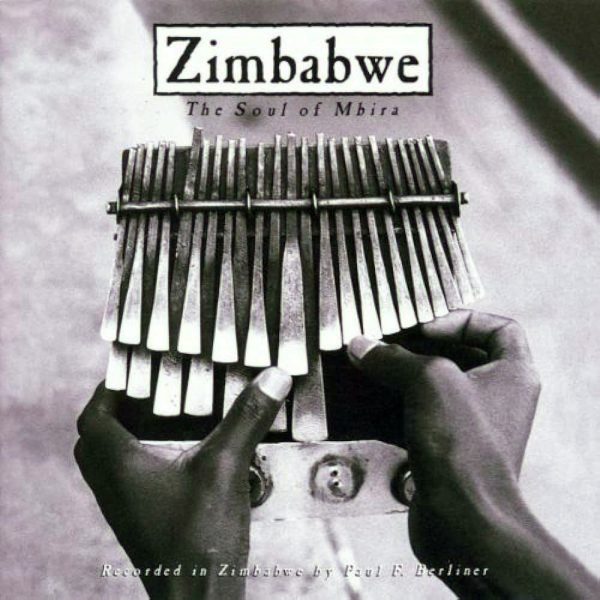
The Soul of Mbira
This program explores Shona mbira music from Zimbabwe through a historic 1999 U.S. tour by the Mbira Masters of Zimbabwe, organized by Paul Berliner.