Blog September 25, 2018
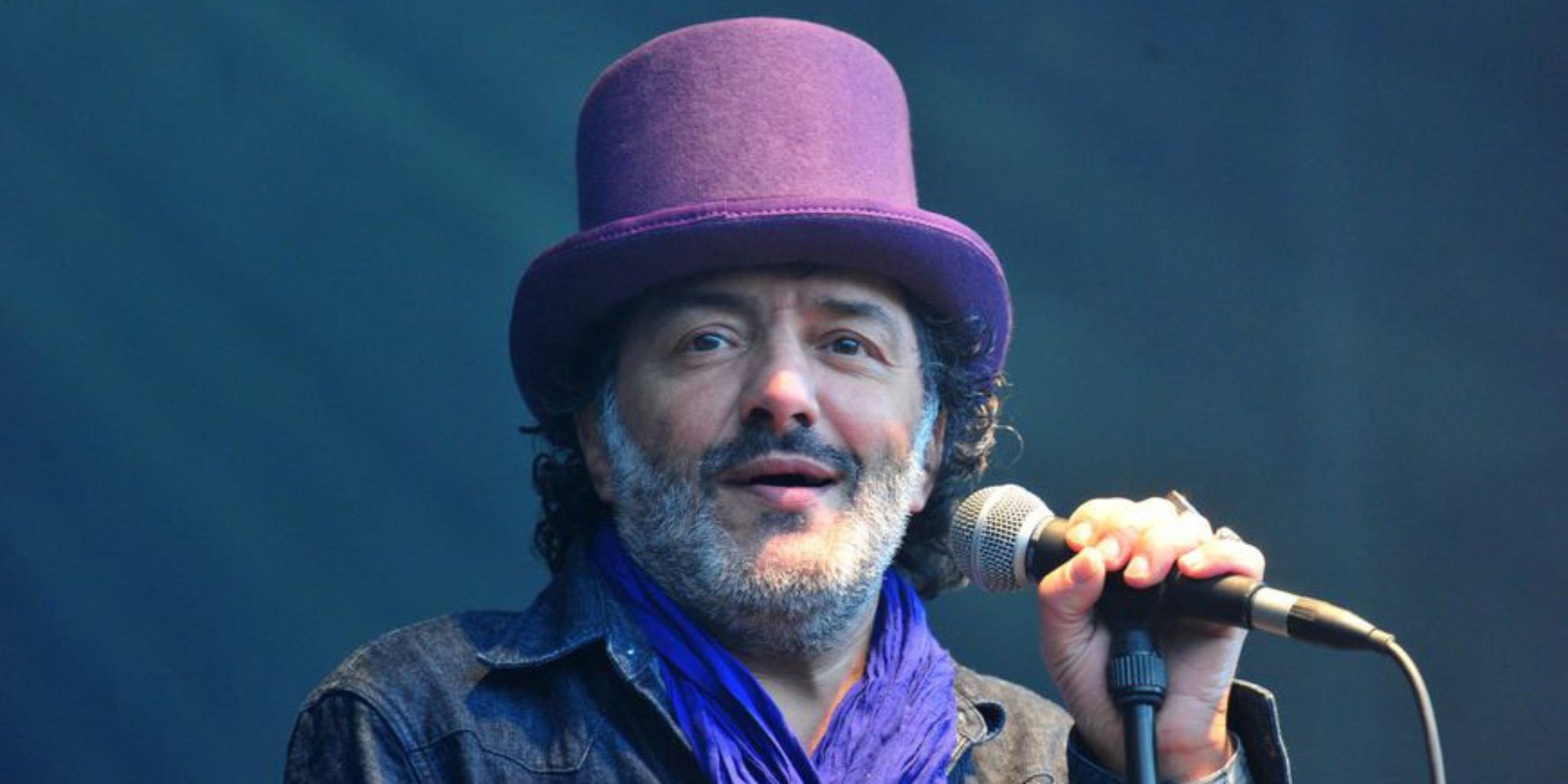
Rachid Taha (1958-2018)
<p>It’s been almost two weeks since Rachid Taha—a comet who flew through the worlds of Algerian <em><em>raï</em></em> and global rock—died from a heart attack at 59. An Arab exile in France, in love with rock 'n' roll, a Muslim bad boy who revered history, love poetry, booze and the Clash, Taha embraced and celebrated his contradictions, and leaves behind a richly original body of music that reflects them vividly in dark chord changes, torn-up, half-spoken vocals, and seasonings of punk rock and electronica. In Arabic music’s world of polished virtuoso singers, Taha slurred, sneered and growled. Even by the standards of rebellious raï music—the music of Algeria’s sex-drugs-and-rock 'n' roll generation—Taha was an outlier, an artist unbound by anyone’s expectations but his own.</p>
<p>Taha was just 10 when he and his family moved from Algeria to Lyon, France. His first band Carte de Séjour--name for France’s "residency permit"—was overtly political. His base in France freed him to be more outspoken—and at times outrageous—than other Algerian singers. Yet they embraced him, notably in the landmark 1998 <em>1,2,3 Soleils</em> concert at Bercy in Paris with Khaled and Faudel. By that time, he was recognized as a rock star in France.</p>
<p>Taha’s breakthrough release as a solo artist was 1991's <em><em>Barbès</em></em>, produced by Don Was. Eight of his 15 solo albums were created with U.K. rock producer and guitarist Steve Hillage. They range from punk to funk, roots raï to roadhouse Americana, and are loaded with fierce condemnations of racism, corruption, xenophobia and political repression—but also sly humor, as when he appeared on the cover of his 1995 release <em>Olê, Olê</em> with blond hair and blue eyes.</p>
<p>An artist ahead of his time, Rachid Taha’s influence will surely be felt in North African music for years to come.</p>

Related Audio Programs
August 22, 2024
Borderless Sounds: The New North Africa
Hip Deep October 15, 2015