Feature August 21, 2025
The Big Three of Moroccan ‘70s and ‘80s Music
<p>In the 1970s and ‘80s, three groups dominated the musical scene of Morocco: Nass al-Ghiwane, Jil Jilala and Lamchahab. Manned by five explosive talents, Lamchahab was arguably the most prominent of the three, entrancing North Africans with more than just their melodies. Armed with a political and spiritual fervor, the words sung by these men were, to many, more than just music—they were poetry.</p>
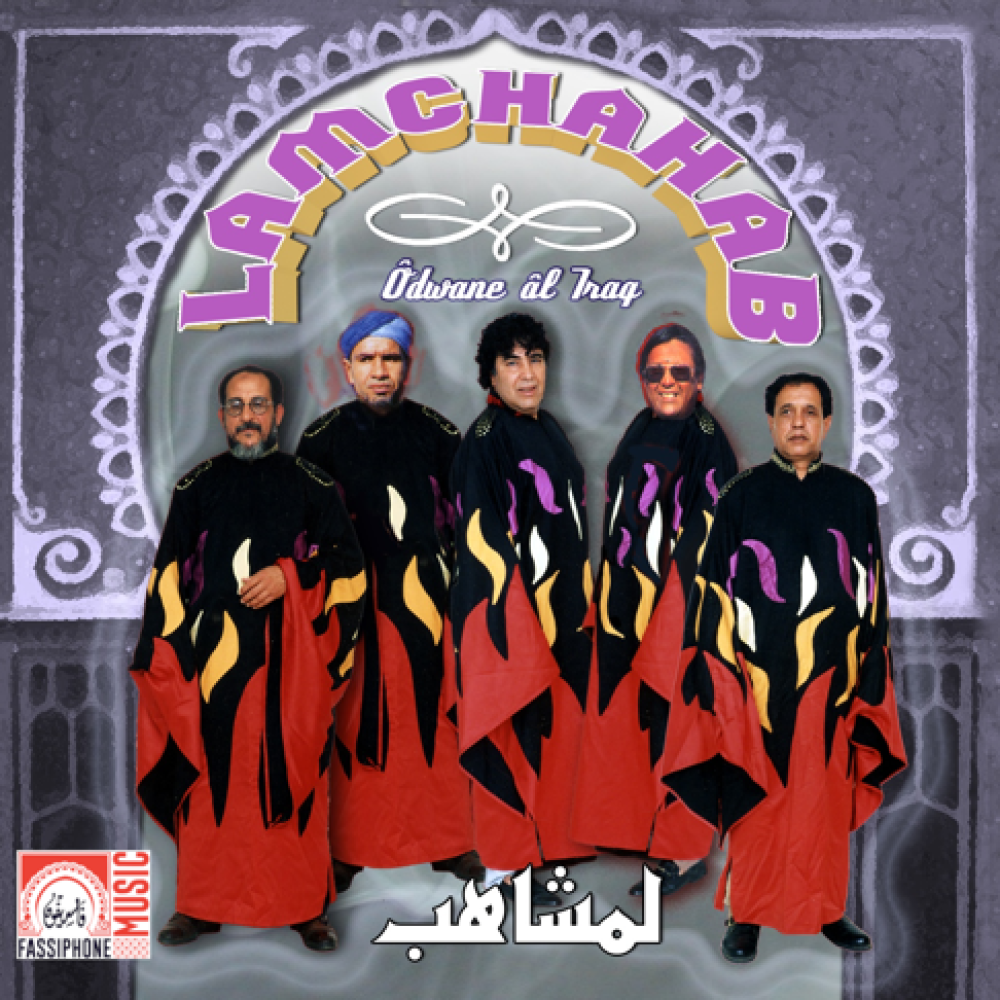 <p>Originally formed in 1974, <strong>Lamchahab</strong> consisted of four men and one woman. Throughout the next couple of decades, they would break up and reunite several times, the personnel of the group changing. At their peak, the group was made up of Moulay Chérif Lamrani, Mohamed Sousdi, Mohamed Batma, Hamadi Mohamed, and M'Barek Chadili. Several albums and dozens of songs can be best summarized by one lyric from their hit 1978 song <em>Ya Latif. </em></p>
<p dir="RTL"><em>غنانا ما فيه الغرام . . . عذبنا كف الغابة </em></p>
<p><em>Our music isn’t about love . . . our struggle is like the jungle. </em></p>
<p>One of my earliest childhood memories is of me sitting in our family car with Lemchahab’s ‘95 song <em>Al-Bosna</em> (Bosnia) blasting through the speakers. The words—a call for action to help the victims of the Bosnian Genocide, an ethnic-cleansing operation that killed over eight thousand Muslims in July 1995—went over my head, but the melody was an earworm I would remember for years to come. Suffice to say, <em>Lemchaheb </em>mastered the art of creating catchy, pop-like rhythms with lyrics that were anything but upbeat. </p>
<p><a href="https://www.youtube.com/watch?v=GQMDGt6EHYw&list=RDGQMDGt6EHYw&start_radio=1"><em>Al-Bosna</em></a> is one of Lemchahab’s lesser-known songs. That, combined with its age and the fact that it is sung in the North African Arabic dialect, means that there are no publicly available English translations of it. In memory of this historic group—and, more importantly, of the activism they participated in, with one of their most famous songs being <em>Felistin </em>(Palestine) from ‘81—an authentic translation of <em>al-Bosna</em>, with the original lyrics beside it, is provided below.</p>
<p><br></p><table><tbody><tr><td width="287" valign="top"><p>“Hello hello”</p>
<p>From Bosnia and blood</p>
<p>“Hello hello”</p>
<p>A Muslim speaks</p>
<p><br><br></p>
<p>“Hello hello”</p>
<p>From Bosnia and shame</p>
<p>“Hello hello”</p>
<p>A Muslim amidst fire</p>
<p>O non-Arabs</p>
<p>O people of America</p>
<p>Where should these words begin?</p>
<p>It [Bosnia] has burned aflame</p>
<p>Stand up, O World</p>
<p>Alongside them, like friends</p>
<p>These lyrics have become too long,</p>
<p>They’re being suffocated</p>
<p>These words have become too long,</p>
<p>They’re being suffocated</p>
<p>If you wanted to change the course of afflictions—</p>
<p>If you wanted to change the face of the world—</p>
<p>If you wanted to face the oppressor with your body—</p>
<p>If you wanted to be [the above attributes]—peace would prevail</p></td><td width="439" valign="top"><p>آلو آلو </p>
<p>من البوسنة والدم </p>
<p>آلو آلو </p>
<p>مسلم يتكلم</p>
<p>x2</p>
<p>آلو آلو</p>
<p>من البوسنة والعار</p>
<p>آلو آلو</p>
<p>مسلم وسط النار</p>
<p>x2</p>
<p>يا شعب العجم</p>
<p>يا شعب الأمريك</p>
<p>منين نبدا الكلام</p>
<p>تحرقات البوسنة حريق</p>
<p>وقف يا عالم</p>
<p>معاهم وقفة صديق</p>
<p>راه طال الكلام </p>
<p>عادو وسط الضيق</p>
<p>x2</p>
<p>كن بغيتو تغيرو مجرى الأحداث</p>
<p>كن بغيتو تغيرو وجه العالم</p>
<p>كن بغيتو تواجهو الظالم بالذات</p>
<p>كن بغيتو كون عم السلام</p>
<p>x7</p></td></tr></tbody></table>
<figure style="margin: 0px 0px 1em; padding: 0px; border: 0px; font-style: normal; font-variant-caps: normal; font-weight: 400; font-width: inherit; font-size: 16px; line-height: inherit; font-family: system-ui, BlinkMacSystemFont, -apple-system, " segoe="" ui",="" roboto,="" oxygen,="" ubuntu,="" cantarell,="" "fira="" sans",="" "droid="" "helvetica="" neue",="" sans-serif;="" font-size-adjust:="" inherit;="" font-kerning:="" font-variant-alternates:="" font-variant-ligatures:="" font-variant-numeric:="" font-variant-east-asian:="" font-variant-position:="" font-variant-emoji:="" font-feature-settings:="" font-optical-sizing:="" font-variation-settings:="" vertical-align:="" baseline;="" display:="" block;="" outline:="" currentcolor="" !important;="" position:="" relative;="" box-sizing:="" caret-color:="" rgb(63,="" 77,="" 90);="" color:="" letter-spacing:="" normal;="" orphans:="" auto;="" text-align:="" start;="" text-indent:="" 0px;="" text-transform:="" none;="" white-space:="" widows:="" word-spacing:="" -webkit-text-stroke-width:="" text-decoration:="" none;"=""><iframe loading="lazy" width="500" height="281" src="//www.youtube.com/embed/GQMDGt6EHYw" frameborder="0" allowfullscreen="" style="margin: 0px; padding: 0px; border: 0px; font-style: inherit; font-variant-caps: inherit; font-weight: inherit; font-width: inherit; font-size: inherit; line-height: inherit; font-family: inherit; font-size-adjust: inherit; font-kerning: inherit; font-variant-alternates: inherit; font-variant-ligatures: inherit; font-variant-numeric: inherit; font-variant-east-asian: inherit; font-variant-position: inherit; font-variant-emoji: inherit; font-feature-settings: inherit; font-optical-sizing: inherit; font-variation-settings: inherit; vertical-align: baseline; outline: currentcolor !important; box-sizing: inherit;"></iframe></figure>
<figure style="margin: 0px 0px 1em; padding: 0px; border: 0px; font-style: normal; font-variant-caps: normal; font-weight: 400; font-width: inherit; font-size: 16px; line-height: inherit; font-family: system-ui, BlinkMacSystemFont, -apple-system, " segoe="" ui",="" roboto,="" oxygen,="" ubuntu,="" cantarell,="" "fira="" sans",="" "droid="" "helvetica="" neue",="" sans-serif;="" font-size-adjust:="" inherit;="" font-kerning:="" font-variant-alternates:="" font-variant-ligatures:="" font-variant-numeric:="" font-variant-east-asian:="" font-variant-position:="" font-variant-emoji:="" font-feature-settings:="" font-optical-sizing:="" font-variation-settings:="" vertical-align:="" baseline;="" display:="" block;="" outline:="" currentcolor="" !important;="" position:="" relative;="" box-sizing:="" caret-color:="" rgb(63,="" 77,="" 90);="" color:="" letter-spacing:="" normal;="" orphans:="" auto;="" text-align:="" start;="" text-indent:="" 0px;="" text-transform:="" none;="" white-space:="" widows:="" word-spacing:="" -webkit-text-stroke-width:="" text-decoration:="" none;"=""><iframe loading="lazy" width="500" height="281" src="//www.youtube.com/embed/2lERMpHGH54" frameborder="0" allowfullscreen="" style="margin: 0px; padding: 0px; border: 0px; font-style: inherit; font-variant-caps: inherit; font-weight: inherit; font-width: inherit; font-size: inherit; line-height: inherit; font-family: inherit; font-size-adjust: inherit; font-kerning: inherit; font-variant-alternates: inherit; font-variant-ligatures: inherit; font-variant-numeric: inherit; font-variant-east-asian: inherit; font-variant-position: inherit; font-variant-emoji: inherit; font-feature-settings: inherit; font-optical-sizing: inherit; font-variation-settings: inherit; vertical-align: baseline; outline: currentcolor !important; box-sizing: inherit;"></iframe></figure>
<p><br></p>
<p>Originally formed in 1974, <strong>Lamchahab</strong> consisted of four men and one woman. Throughout the next couple of decades, they would break up and reunite several times, the personnel of the group changing. At their peak, the group was made up of Moulay Chérif Lamrani, Mohamed Sousdi, Mohamed Batma, Hamadi Mohamed, and M'Barek Chadili. Several albums and dozens of songs can be best summarized by one lyric from their hit 1978 song <em>Ya Latif. </em></p>
<p dir="RTL"><em>غنانا ما فيه الغرام . . . عذبنا كف الغابة </em></p>
<p><em>Our music isn’t about love . . . our struggle is like the jungle. </em></p>
<p>One of my earliest childhood memories is of me sitting in our family car with Lemchahab’s ‘95 song <em>Al-Bosna</em> (Bosnia) blasting through the speakers. The words—a call for action to help the victims of the Bosnian Genocide, an ethnic-cleansing operation that killed over eight thousand Muslims in July 1995—went over my head, but the melody was an earworm I would remember for years to come. Suffice to say, <em>Lemchaheb </em>mastered the art of creating catchy, pop-like rhythms with lyrics that were anything but upbeat. </p>
<p><a href="https://www.youtube.com/watch?v=GQMDGt6EHYw&list=RDGQMDGt6EHYw&start_radio=1"><em>Al-Bosna</em></a> is one of Lemchahab’s lesser-known songs. That, combined with its age and the fact that it is sung in the North African Arabic dialect, means that there are no publicly available English translations of it. In memory of this historic group—and, more importantly, of the activism they participated in, with one of their most famous songs being <em>Felistin </em>(Palestine) from ‘81—an authentic translation of <em>al-Bosna</em>, with the original lyrics beside it, is provided below.</p>
<p><br></p><table><tbody><tr><td width="287" valign="top"><p>“Hello hello”</p>
<p>From Bosnia and blood</p>
<p>“Hello hello”</p>
<p>A Muslim speaks</p>
<p><br><br></p>
<p>“Hello hello”</p>
<p>From Bosnia and shame</p>
<p>“Hello hello”</p>
<p>A Muslim amidst fire</p>
<p>O non-Arabs</p>
<p>O people of America</p>
<p>Where should these words begin?</p>
<p>It [Bosnia] has burned aflame</p>
<p>Stand up, O World</p>
<p>Alongside them, like friends</p>
<p>These lyrics have become too long,</p>
<p>They’re being suffocated</p>
<p>These words have become too long,</p>
<p>They’re being suffocated</p>
<p>If you wanted to change the course of afflictions—</p>
<p>If you wanted to change the face of the world—</p>
<p>If you wanted to face the oppressor with your body—</p>
<p>If you wanted to be [the above attributes]—peace would prevail</p></td><td width="439" valign="top"><p>آلو آلو </p>
<p>من البوسنة والدم </p>
<p>آلو آلو </p>
<p>مسلم يتكلم</p>
<p>x2</p>
<p>آلو آلو</p>
<p>من البوسنة والعار</p>
<p>آلو آلو</p>
<p>مسلم وسط النار</p>
<p>x2</p>
<p>يا شعب العجم</p>
<p>يا شعب الأمريك</p>
<p>منين نبدا الكلام</p>
<p>تحرقات البوسنة حريق</p>
<p>وقف يا عالم</p>
<p>معاهم وقفة صديق</p>
<p>راه طال الكلام </p>
<p>عادو وسط الضيق</p>
<p>x2</p>
<p>كن بغيتو تغيرو مجرى الأحداث</p>
<p>كن بغيتو تغيرو وجه العالم</p>
<p>كن بغيتو تواجهو الظالم بالذات</p>
<p>كن بغيتو كون عم السلام</p>
<p>x7</p></td></tr></tbody></table>
<figure style="margin: 0px 0px 1em; padding: 0px; border: 0px; font-style: normal; font-variant-caps: normal; font-weight: 400; font-width: inherit; font-size: 16px; line-height: inherit; font-family: system-ui, BlinkMacSystemFont, -apple-system, " segoe="" ui",="" roboto,="" oxygen,="" ubuntu,="" cantarell,="" "fira="" sans",="" "droid="" "helvetica="" neue",="" sans-serif;="" font-size-adjust:="" inherit;="" font-kerning:="" font-variant-alternates:="" font-variant-ligatures:="" font-variant-numeric:="" font-variant-east-asian:="" font-variant-position:="" font-variant-emoji:="" font-feature-settings:="" font-optical-sizing:="" font-variation-settings:="" vertical-align:="" baseline;="" display:="" block;="" outline:="" currentcolor="" !important;="" position:="" relative;="" box-sizing:="" caret-color:="" rgb(63,="" 77,="" 90);="" color:="" letter-spacing:="" normal;="" orphans:="" auto;="" text-align:="" start;="" text-indent:="" 0px;="" text-transform:="" none;="" white-space:="" widows:="" word-spacing:="" -webkit-text-stroke-width:="" text-decoration:="" none;"=""><iframe loading="lazy" width="500" height="281" src="//www.youtube.com/embed/GQMDGt6EHYw" frameborder="0" allowfullscreen="" style="margin: 0px; padding: 0px; border: 0px; font-style: inherit; font-variant-caps: inherit; font-weight: inherit; font-width: inherit; font-size: inherit; line-height: inherit; font-family: inherit; font-size-adjust: inherit; font-kerning: inherit; font-variant-alternates: inherit; font-variant-ligatures: inherit; font-variant-numeric: inherit; font-variant-east-asian: inherit; font-variant-position: inherit; font-variant-emoji: inherit; font-feature-settings: inherit; font-optical-sizing: inherit; font-variation-settings: inherit; vertical-align: baseline; outline: currentcolor !important; box-sizing: inherit;"></iframe></figure>
<figure style="margin: 0px 0px 1em; padding: 0px; border: 0px; font-style: normal; font-variant-caps: normal; font-weight: 400; font-width: inherit; font-size: 16px; line-height: inherit; font-family: system-ui, BlinkMacSystemFont, -apple-system, " segoe="" ui",="" roboto,="" oxygen,="" ubuntu,="" cantarell,="" "fira="" sans",="" "droid="" "helvetica="" neue",="" sans-serif;="" font-size-adjust:="" inherit;="" font-kerning:="" font-variant-alternates:="" font-variant-ligatures:="" font-variant-numeric:="" font-variant-east-asian:="" font-variant-position:="" font-variant-emoji:="" font-feature-settings:="" font-optical-sizing:="" font-variation-settings:="" vertical-align:="" baseline;="" display:="" block;="" outline:="" currentcolor="" !important;="" position:="" relative;="" box-sizing:="" caret-color:="" rgb(63,="" 77,="" 90);="" color:="" letter-spacing:="" normal;="" orphans:="" auto;="" text-align:="" start;="" text-indent:="" 0px;="" text-transform:="" none;="" white-space:="" widows:="" word-spacing:="" -webkit-text-stroke-width:="" text-decoration:="" none;"=""><iframe loading="lazy" width="500" height="281" src="//www.youtube.com/embed/2lERMpHGH54" frameborder="0" allowfullscreen="" style="margin: 0px; padding: 0px; border: 0px; font-style: inherit; font-variant-caps: inherit; font-weight: inherit; font-width: inherit; font-size: inherit; line-height: inherit; font-family: inherit; font-size-adjust: inherit; font-kerning: inherit; font-variant-alternates: inherit; font-variant-ligatures: inherit; font-variant-numeric: inherit; font-variant-east-asian: inherit; font-variant-position: inherit; font-variant-emoji: inherit; font-feature-settings: inherit; font-optical-sizing: inherit; font-variation-settings: inherit; vertical-align: baseline; outline: currentcolor !important; box-sizing: inherit;"></iframe></figure>
<p><br></p>
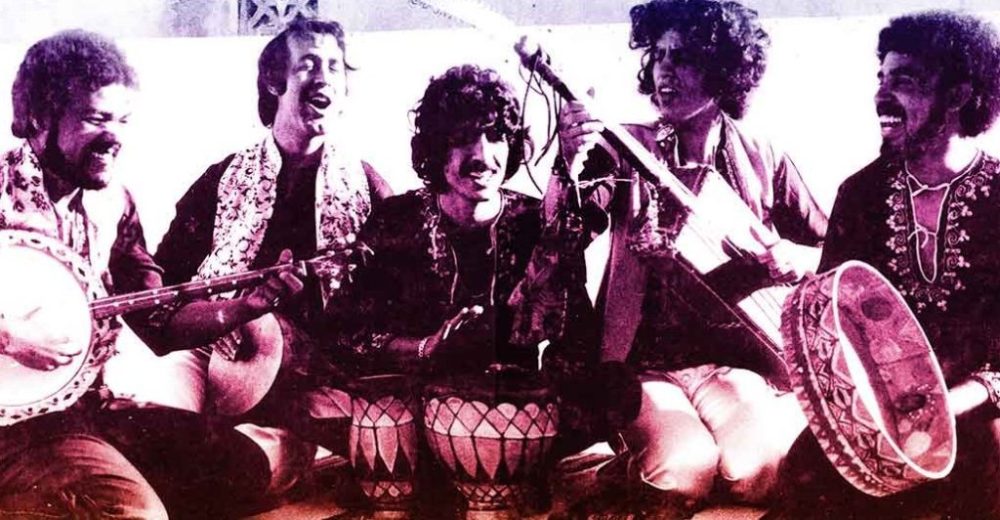 <p><strong>Nass al-Ghiwane </strong>was a Moroccan band originally formed in 1970. At the time of its formation, the group was made up of Boujmee’a Hagour, La’Arbi Batma, Omar Essayed, and Yaala Al’al. Like Lamchahab, Nass al-Ghiwane’s membership altered over the years. In ‘74, Boujmee’a passed away. Decades later, in ‘97, La’Arbi would as well. Two notable new names would join the group in the late ‘90s and early 2000s—Hamid and Rachid Batma. Interestingly enough, only a few years before joining the group with his brother, Hamid’s first child was born. His daughter, Dounia Batma, would go on to be one of the most recognizable names in the Moroccan music scene, first making her big break in 2011 on the MBC show <em>Arab Idol</em>.</p>
<p>Similar to Lamchahab, Nass al-Ghiwane rose to fame through their igniting lyrics and melodies, often commenting on societal and political issues. American film director Martin Scorsese would famously refer to them as “The Rolling Stones of Africa.”</p>
<p>One of the most attractive aspects of Nass al-Ghiwane’s music was the use of the banjo, an instrument with West African origins. One of their most famous songs, <em>Siniya</em>, features Yaala Al’al’s banjo abilities in full-force. </p>
While Nass al-Ghiwane received international acclaim—certainly rooting themselves permanently in the musical historical record of North Africa—one song of theirs has found a unique place in the Arab world. In recent years, their ‘72 song <em>Qittati</em> (translation: My Cat) has been adopted by various Arab children’s channels, transformed into an upbeat kids’ song featured in several viral and brightly animated music videos. The words, although not originally written by Nass al-Ghiwane, were sung slowly and heartfeltly by them, and are translated below.<p> <br></p>
<table><tbody><tr><td valign="top"><p>My tiny cat</p>
<p>Her name is Namira</p>
<p>Her playing is amusing, and she’s like my shadow</p>
<p>She is talented at hunting mice</p>
<p>Her form is beautiful, and her hair is long</p></td><td valign="top"><p>قِــطَــتِــي صَــغِــيرَة </p>
<p>وَاسْمُــهَـــا نَــمِـيـــرَة </p>
<p>لَــعِــبُــهَا يُــسَــلِّـــي وَهِــــيَّ لِـــي كَظِــلِّـي </p>
<p>تُــظْــهِــُر المَهَـــارَة كَــيْ تَصِيـــدَ فَــــــارَة </p>
<p>شَـكْـلُـهَـا جَمِـــيـــــلٌ شَعْـــرُهَـــا طَـــوِيـــــلٌ </p></td></tr></tbody></table>
<p>In a ‘72 live performance of this song, when Omar Essayed sings the lyrics “Her name is Namira,” he afterwards repeats the name “Namira,” but adds an Arabic <em>waaw </em>(و) in between the N (ن) and M (م) sounds. This creates a diminutive form of the name “Namira,” making the word more affectionate-sounding and childlike. </p>
<figure style="margin: 0px 0px 1em; padding: 0px; border: 0px; font-style: normal; font-variant-caps: normal; font-weight: 400; font-width: inherit; font-size: 16px; line-height: inherit; font-family: system-ui, BlinkMacSystemFont, -apple-system, " segoe="" ui",="" roboto,="" oxygen,="" ubuntu,="" cantarell,="" "fira="" sans",="" "droid="" "helvetica="" neue",="" sans-serif;="" font-size-adjust:="" inherit;="" font-kerning:="" font-variant-alternates:="" font-variant-ligatures:="" font-variant-numeric:="" font-variant-east-asian:="" font-variant-position:="" font-variant-emoji:="" font-feature-settings:="" font-optical-sizing:="" font-variation-settings:="" vertical-align:="" baseline;="" display:="" block;="" outline:="" currentcolor="" !important;="" position:="" relative;="" box-sizing:="" caret-color:="" rgb(63,="" 77,="" 90);="" color:="" letter-spacing:="" normal;="" orphans:="" auto;="" text-align:="" start;="" text-indent:="" 0px;="" text-transform:="" none;="" white-space:="" widows:="" word-spacing:="" -webkit-text-stroke-width:="" text-decoration:="" none;"=""><iframe loading="lazy" width="500" height="281" src="//www.youtube.com/embed/Aj3HqOaL3mo" frameborder="0" allowfullscreen="" style="margin: 0px; padding: 0px; border: 0px; font-style: inherit; font-variant-caps: inherit; font-weight: inherit; font-width: inherit; font-size: inherit; line-height: inherit; font-family: inherit; font-size-adjust: inherit; font-kerning: inherit; font-variant-alternates: inherit; font-variant-ligatures: inherit; font-variant-numeric: inherit; font-variant-east-asian: inherit; font-variant-position: inherit; font-variant-emoji: inherit; font-feature-settings: inherit; font-optical-sizing: inherit; font-variation-settings: inherit; vertical-align: baseline; outline: currentcolor !important; box-sizing: inherit;"></iframe></figure>
<figure style="margin: 0px 0px 1em; padding: 0px; border: 0px; font-style: normal; font-variant-caps: normal; font-weight: 400; font-width: inherit; font-size: 16px; line-height: inherit; font-family: system-ui, BlinkMacSystemFont, -apple-system, " segoe="" ui",="" roboto,="" oxygen,="" ubuntu,="" cantarell,="" "fira="" sans",="" "droid="" "helvetica="" neue",="" sans-serif;="" font-size-adjust:="" inherit;="" font-kerning:="" font-variant-alternates:="" font-variant-ligatures:="" font-variant-numeric:="" font-variant-east-asian:="" font-variant-position:="" font-variant-emoji:="" font-feature-settings:="" font-optical-sizing:="" font-variation-settings:="" vertical-align:="" baseline;="" display:="" block;="" outline:="" currentcolor="" !important;="" position:="" relative;="" box-sizing:="" caret-color:="" rgb(63,="" 77,="" 90);="" color:="" letter-spacing:="" normal;="" orphans:="" auto;="" text-align:="" start;="" text-indent:="" 0px;="" text-transform:="" none;="" white-space:="" widows:="" word-spacing:="" -webkit-text-stroke-width:="" text-decoration:="" none;"=""><iframe loading="lazy" width="500" height="281" src="//www.youtube.com/embed/zHT33MYoImY" frameborder="0" allowfullscreen="" style="margin: 0px; padding: 0px; border: 0px; font-style: inherit; font-variant-caps: inherit; font-weight: inherit; font-width: inherit; font-size: inherit; line-height: inherit; font-family: inherit; font-size-adjust: inherit; font-kerning: inherit; font-variant-alternates: inherit; font-variant-ligatures: inherit; font-variant-numeric: inherit; font-variant-east-asian: inherit; font-variant-position: inherit; font-variant-emoji: inherit; font-feature-settings: inherit; font-optical-sizing: inherit; font-variation-settings: inherit; vertical-align: baseline; outline: currentcolor !important; box-sizing: inherit;"></iframe></figure>
<p><br></p>
<p><strong>Nass al-Ghiwane </strong>was a Moroccan band originally formed in 1970. At the time of its formation, the group was made up of Boujmee’a Hagour, La’Arbi Batma, Omar Essayed, and Yaala Al’al. Like Lamchahab, Nass al-Ghiwane’s membership altered over the years. In ‘74, Boujmee’a passed away. Decades later, in ‘97, La’Arbi would as well. Two notable new names would join the group in the late ‘90s and early 2000s—Hamid and Rachid Batma. Interestingly enough, only a few years before joining the group with his brother, Hamid’s first child was born. His daughter, Dounia Batma, would go on to be one of the most recognizable names in the Moroccan music scene, first making her big break in 2011 on the MBC show <em>Arab Idol</em>.</p>
<p>Similar to Lamchahab, Nass al-Ghiwane rose to fame through their igniting lyrics and melodies, often commenting on societal and political issues. American film director Martin Scorsese would famously refer to them as “The Rolling Stones of Africa.”</p>
<p>One of the most attractive aspects of Nass al-Ghiwane’s music was the use of the banjo, an instrument with West African origins. One of their most famous songs, <em>Siniya</em>, features Yaala Al’al’s banjo abilities in full-force. </p>
While Nass al-Ghiwane received international acclaim—certainly rooting themselves permanently in the musical historical record of North Africa—one song of theirs has found a unique place in the Arab world. In recent years, their ‘72 song <em>Qittati</em> (translation: My Cat) has been adopted by various Arab children’s channels, transformed into an upbeat kids’ song featured in several viral and brightly animated music videos. The words, although not originally written by Nass al-Ghiwane, were sung slowly and heartfeltly by them, and are translated below.<p> <br></p>
<table><tbody><tr><td valign="top"><p>My tiny cat</p>
<p>Her name is Namira</p>
<p>Her playing is amusing, and she’s like my shadow</p>
<p>She is talented at hunting mice</p>
<p>Her form is beautiful, and her hair is long</p></td><td valign="top"><p>قِــطَــتِــي صَــغِــيرَة </p>
<p>وَاسْمُــهَـــا نَــمِـيـــرَة </p>
<p>لَــعِــبُــهَا يُــسَــلِّـــي وَهِــــيَّ لِـــي كَظِــلِّـي </p>
<p>تُــظْــهِــُر المَهَـــارَة كَــيْ تَصِيـــدَ فَــــــارَة </p>
<p>شَـكْـلُـهَـا جَمِـــيـــــلٌ شَعْـــرُهَـــا طَـــوِيـــــلٌ </p></td></tr></tbody></table>
<p>In a ‘72 live performance of this song, when Omar Essayed sings the lyrics “Her name is Namira,” he afterwards repeats the name “Namira,” but adds an Arabic <em>waaw </em>(و) in between the N (ن) and M (م) sounds. This creates a diminutive form of the name “Namira,” making the word more affectionate-sounding and childlike. </p>
<figure style="margin: 0px 0px 1em; padding: 0px; border: 0px; font-style: normal; font-variant-caps: normal; font-weight: 400; font-width: inherit; font-size: 16px; line-height: inherit; font-family: system-ui, BlinkMacSystemFont, -apple-system, " segoe="" ui",="" roboto,="" oxygen,="" ubuntu,="" cantarell,="" "fira="" sans",="" "droid="" "helvetica="" neue",="" sans-serif;="" font-size-adjust:="" inherit;="" font-kerning:="" font-variant-alternates:="" font-variant-ligatures:="" font-variant-numeric:="" font-variant-east-asian:="" font-variant-position:="" font-variant-emoji:="" font-feature-settings:="" font-optical-sizing:="" font-variation-settings:="" vertical-align:="" baseline;="" display:="" block;="" outline:="" currentcolor="" !important;="" position:="" relative;="" box-sizing:="" caret-color:="" rgb(63,="" 77,="" 90);="" color:="" letter-spacing:="" normal;="" orphans:="" auto;="" text-align:="" start;="" text-indent:="" 0px;="" text-transform:="" none;="" white-space:="" widows:="" word-spacing:="" -webkit-text-stroke-width:="" text-decoration:="" none;"=""><iframe loading="lazy" width="500" height="281" src="//www.youtube.com/embed/Aj3HqOaL3mo" frameborder="0" allowfullscreen="" style="margin: 0px; padding: 0px; border: 0px; font-style: inherit; font-variant-caps: inherit; font-weight: inherit; font-width: inherit; font-size: inherit; line-height: inherit; font-family: inherit; font-size-adjust: inherit; font-kerning: inherit; font-variant-alternates: inherit; font-variant-ligatures: inherit; font-variant-numeric: inherit; font-variant-east-asian: inherit; font-variant-position: inherit; font-variant-emoji: inherit; font-feature-settings: inherit; font-optical-sizing: inherit; font-variation-settings: inherit; vertical-align: baseline; outline: currentcolor !important; box-sizing: inherit;"></iframe></figure>
<figure style="margin: 0px 0px 1em; padding: 0px; border: 0px; font-style: normal; font-variant-caps: normal; font-weight: 400; font-width: inherit; font-size: 16px; line-height: inherit; font-family: system-ui, BlinkMacSystemFont, -apple-system, " segoe="" ui",="" roboto,="" oxygen,="" ubuntu,="" cantarell,="" "fira="" sans",="" "droid="" "helvetica="" neue",="" sans-serif;="" font-size-adjust:="" inherit;="" font-kerning:="" font-variant-alternates:="" font-variant-ligatures:="" font-variant-numeric:="" font-variant-east-asian:="" font-variant-position:="" font-variant-emoji:="" font-feature-settings:="" font-optical-sizing:="" font-variation-settings:="" vertical-align:="" baseline;="" display:="" block;="" outline:="" currentcolor="" !important;="" position:="" relative;="" box-sizing:="" caret-color:="" rgb(63,="" 77,="" 90);="" color:="" letter-spacing:="" normal;="" orphans:="" auto;="" text-align:="" start;="" text-indent:="" 0px;="" text-transform:="" none;="" white-space:="" widows:="" word-spacing:="" -webkit-text-stroke-width:="" text-decoration:="" none;"=""><iframe loading="lazy" width="500" height="281" src="//www.youtube.com/embed/zHT33MYoImY" frameborder="0" allowfullscreen="" style="margin: 0px; padding: 0px; border: 0px; font-style: inherit; font-variant-caps: inherit; font-weight: inherit; font-width: inherit; font-size: inherit; line-height: inherit; font-family: inherit; font-size-adjust: inherit; font-kerning: inherit; font-variant-alternates: inherit; font-variant-ligatures: inherit; font-variant-numeric: inherit; font-variant-east-asian: inherit; font-variant-position: inherit; font-variant-emoji: inherit; font-feature-settings: inherit; font-optical-sizing: inherit; font-variation-settings: inherit; vertical-align: baseline; outline: currentcolor !important; box-sizing: inherit;"></iframe></figure>
<p><br></p>
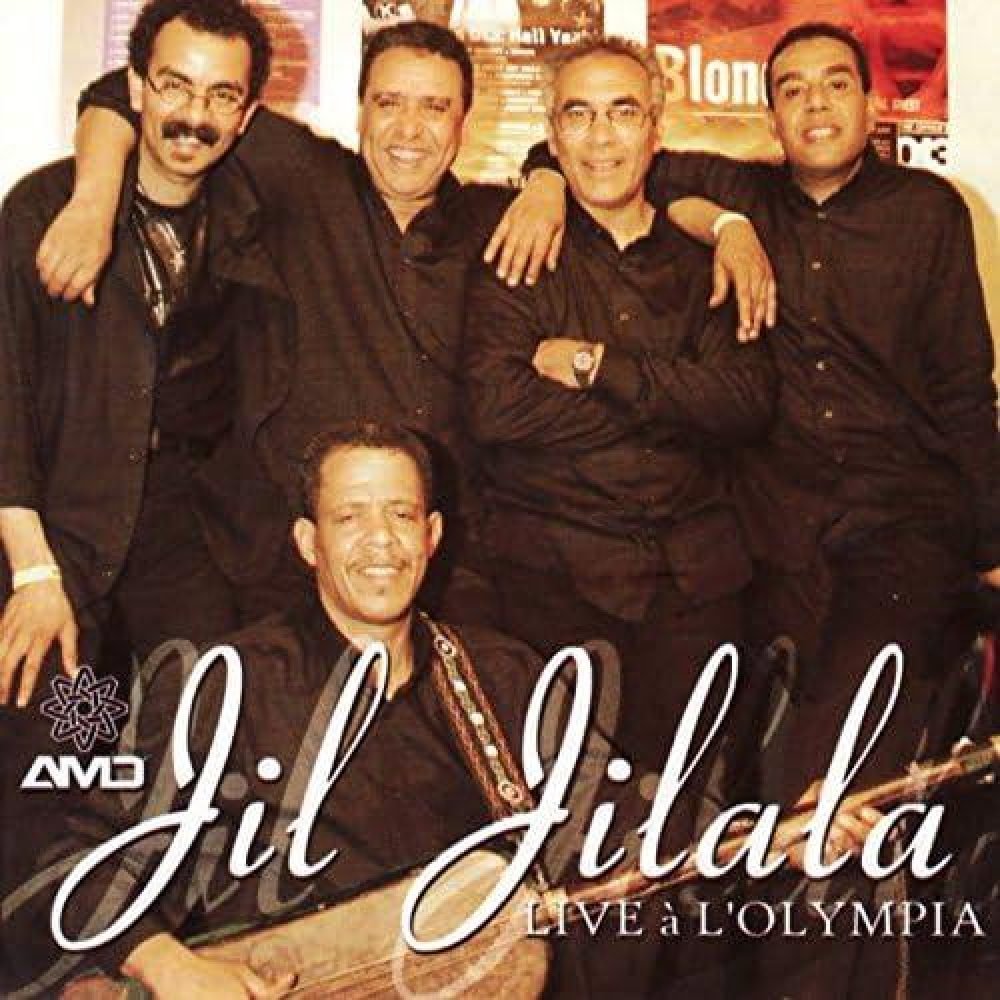 <p><strong>Jil Jilala</strong> was originally formed in 1972 by Mohamed Derhem, Tahar Asbahani, Sakina Safadi, Mahmoud Essaadi, Hamid Zoughi, Abdelaziz Tahiri and Abd El Karim El Kasbiji. The band would go through a few membership changes over time, with Abderahman Paco (who was also a part of Nass al-Ghiwane) later joining the group. </p>
<p>One of the band’s most influential pieces is <em>Laayoune Ainiya</em>, a ‘76 song written on a train ride to the Western Sahara. A patriotic assertion of Moroccan ownership of the region—a piece of land occupied by Spain until November of ‘75—the song has long held a place in Moroccans’ hearts. Decades after its original release, the Moroccan singer Douzi would cover the song, giving it new life in the 21st-century. </p>
<p>Steeped in figurative language, the title <em>Laayoune Ainiya</em> refers to Laayoune, a city in the Western Sahara, as <em>ainiya</em>, which translates to “my eyes.” In Arabic, the referral to an object as one’s eyes is a hyperbolic conveyance of love and affection. Alongside this metaphor is the phonetic similarity between the words “Laayoune” and “ainiya.” Combined, they make a catchy title and chorus. </p>
<p>The translation of <em>Laayoune Ainiya</em>’s famous chorus is provided below:</p>
<table><tbody><tr><td valign="top"><p>My beloved Laayoune,</p>
<p>Saquia al-Hamra* is mine,</p>
<p>al-Oued* is mine, O’ sir, al-Oued is mine</p>
<p>We’re traveling in peace,</p>
<p>God, the Quran, and the Prophet are with us.</p>
<p>We’re traveling in peace</p></td><td valign="top"><p>العيون عينيا</p>
<p>والساقية الحمرا ليا</p>
<p>والواد وادي ياسيدي والواد وادي</p>
<p>نمشيو في كفوف السلامة</p>
<p>الله والنبي والقرآن معانا</p>
<p>نمشيو في كفوف السلامة</p></td></tr></tbody></table>
<p>*a city in Morocco; directly translated to “the red waterwheel”</p>
<p>*a city in Morocco; directly translated to “the river”</p>
<figure><iframe loading="lazy" width="500" height="281" src="//www.youtube.com/embed/YIEVnmk4qs0" frameborder="0" allowfullscreen=""></iframe></figure><figure><iframe loading="lazy" width="500" height="281" src="//www.youtube.com/embed/kvxEPfQ2y5Q" frameborder="0" allowfullscreen=""></iframe></figure><br><p>Together, these three bands would define a historic era for music in North Africa. Their words, cleverly crafted with care and ingenuity, would reside in the memories of the people for years to come. </p>
<p><strong>Jil Jilala</strong> was originally formed in 1972 by Mohamed Derhem, Tahar Asbahani, Sakina Safadi, Mahmoud Essaadi, Hamid Zoughi, Abdelaziz Tahiri and Abd El Karim El Kasbiji. The band would go through a few membership changes over time, with Abderahman Paco (who was also a part of Nass al-Ghiwane) later joining the group. </p>
<p>One of the band’s most influential pieces is <em>Laayoune Ainiya</em>, a ‘76 song written on a train ride to the Western Sahara. A patriotic assertion of Moroccan ownership of the region—a piece of land occupied by Spain until November of ‘75—the song has long held a place in Moroccans’ hearts. Decades after its original release, the Moroccan singer Douzi would cover the song, giving it new life in the 21st-century. </p>
<p>Steeped in figurative language, the title <em>Laayoune Ainiya</em> refers to Laayoune, a city in the Western Sahara, as <em>ainiya</em>, which translates to “my eyes.” In Arabic, the referral to an object as one’s eyes is a hyperbolic conveyance of love and affection. Alongside this metaphor is the phonetic similarity between the words “Laayoune” and “ainiya.” Combined, they make a catchy title and chorus. </p>
<p>The translation of <em>Laayoune Ainiya</em>’s famous chorus is provided below:</p>
<table><tbody><tr><td valign="top"><p>My beloved Laayoune,</p>
<p>Saquia al-Hamra* is mine,</p>
<p>al-Oued* is mine, O’ sir, al-Oued is mine</p>
<p>We’re traveling in peace,</p>
<p>God, the Quran, and the Prophet are with us.</p>
<p>We’re traveling in peace</p></td><td valign="top"><p>العيون عينيا</p>
<p>والساقية الحمرا ليا</p>
<p>والواد وادي ياسيدي والواد وادي</p>
<p>نمشيو في كفوف السلامة</p>
<p>الله والنبي والقرآن معانا</p>
<p>نمشيو في كفوف السلامة</p></td></tr></tbody></table>
<p>*a city in Morocco; directly translated to “the red waterwheel”</p>
<p>*a city in Morocco; directly translated to “the river”</p>
<figure><iframe loading="lazy" width="500" height="281" src="//www.youtube.com/embed/YIEVnmk4qs0" frameborder="0" allowfullscreen=""></iframe></figure><figure><iframe loading="lazy" width="500" height="281" src="//www.youtube.com/embed/kvxEPfQ2y5Q" frameborder="0" allowfullscreen=""></iframe></figure><br><p>Together, these three bands would define a historic era for music in North Africa. Their words, cleverly crafted with care and ingenuity, would reside in the memories of the people for years to come. </p>
Lamchahab
Nass El Ghiwane
Jil JIlala

Related Audio Programs
Hip Deep December 5, 2011
The Arabization of North Africa
August 16, 2018
The Festival In Fes: World Sacred Music Festival, Revisited
This spring, Afropop returned to Fes, Morocco, for the 23rd annual World Sacred Music Festival, a sumptuous spread of music from across the globe that blurs the boundaries of what is sacred.
Related Articles
Interview July 1, 2025
Douzi: Proud Voice of Morocco
Blog December 11, 2019