October 16, 2025
San Francisco: Afropop By the Bay
We look back to the 1970s and 80s history of African music in San Francisco.
<section>
<p>
The first American city to nurture a thriving community of African bands wasn’t New York, Miami, or Chicago—it was the San Francisco Bay Area.
In the 1970s, <strong>Hugh Masekela</strong> brought <em>Hedzoleh Soundz</em> from Ghana, settling in Santa Cruz.
Nigerian maestros <strong>O.J. Ekemode</strong> and <strong>Joni Haastrup</strong> made their home in Oakland.
South African performers from the touring stage show <em>Ipi Tombi</em> stayed behind in the Bay, forming the trailblazing band <em>Zulu Spear</em>.
</p>
<p>
By the early ’80s, the Bay Area’s <em>worldbeat</em> scene was roaring to life.
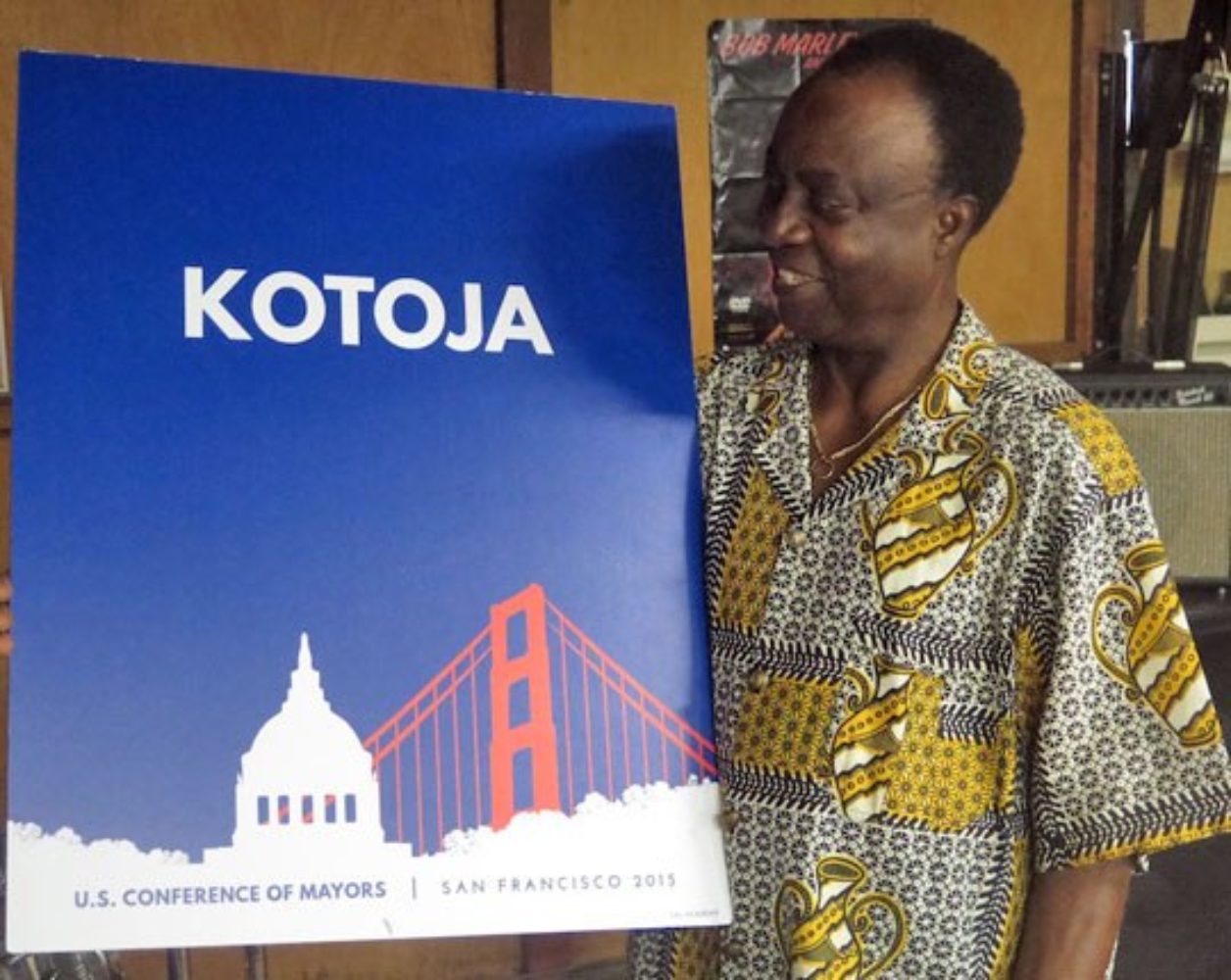
Bands like <em>Kotoja</em>, <em>Mapenzi</em>, <em>Big City</em>, and the <em>Nigerian Allstars</em> transformed clubs and community halls into incubators of rhythm and resistance.
This episode takes you on a tour through the sounds, stories, and spirit of the Bay Area’s catalytic African music movement.
</p>
<p class="credit">
<strong>Produced by:</strong> Banning Eyre<br>
<strong>APWW #713</strong>
</p>
<h2>
<a href="https://afropop.test.ejaedesign.com/24180/san-francisco-afropop-by-the-bay-back-in-the-day/" target="_blank" rel="noopener">
SAN FRANCISCO: AFROPOP BY THE BAY, BACK IN THE DAY…
</a>
</h2>
<figure>
<a href="https://afropop.test.ejaedesign.com/24180/san-francisco-afropop-by-the-bay-back-in-the-day/" target="_blank" rel="noopener">
<img loading="lazy" decoding="async" src="https://afropop.test.ejaedesign.com/migrated-uploads/2015/07/SanFran_skyline.jpg" alt="San Francisco skyline (Eyre)" width="640" height="480" data-image="2suhdoifouef">
</a>
<figcaption>San Francisco skyline (<a href="http://www.banningeyre.com" target="_blank" rel="noopener">Banning Eyre</a>)</figcaption>
</figure>
</section>

Related Audio Programs
Closeup October 3, 2017
Afro-Symphonic Folk: From the Coasts of Africa to the San Francisco Bay
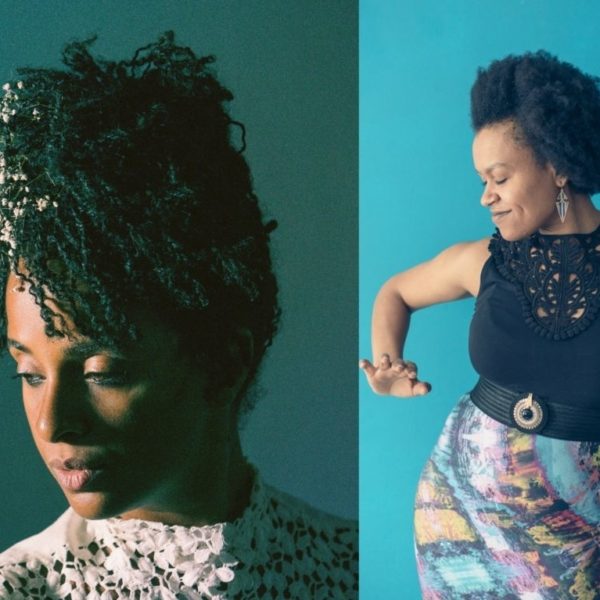
Two very different Bay Area artists, Meklit Hadero and Zena Carlota, use their music to explore what it means to live on two sides of a hyphen: African-American, black-artist, Ethiopian-American, female-musician, to name a few.
Related Articles
Review April 7, 2016